Anko (Red Bean Paste)
あんこ
Also called red bean paste, sweet bean paste, azuki paste
Sweet bean paste, usually azuki beans cooked soft with sugar and kneaded over heat: the filling and topping at the heart of most wagashi.
Anko (Red Bean Paste) at a glance
- Taste
- Sweet, with the gentle flavor of cooked beans; sometimes a pinch of salt
- Texture
- Koshian is smooth and silky; tsubuan and tsubushian are chunky, with the skins and pieces of bean
- Main ingredients
- Azuki beans (white beans such as tebo or ofuku beans for white bean paste) and sugar, sometimes with salt
- When to eat it
- All year; it is inside or on top of most wagashi, from daifuku to dorayaki
- Goes well with
- Green tea: wagashi took shape as sweets to go with it
- Where to buy
- Inside sweets at wagashi shops; ready-made sweet azuki and anko are also sold in cans, cups and pouches
- How long it keeps
- Inside a sweet, it keeps as long as the sweet: daifuku and dango are best the day they are made. For packaged anko, follow the label, refrigerate once opened and eat it soon; wagashi generally freeze well
- Egg, wheat and vegan
- Anko itself is usually plant-based (beans, sugar and sometimes salt), but the sweets around it may contain wheat, egg or dairy. Check the label or ask the shop
- How to say it
- AHN-koh
Fun facts about Anko (Red Bean Paste)
Toraya, a wagashi maker founded in Kyoto, says that making its sweets begins with making an. One thing it points to is how few times it changes the cooking water to remove astringency (shibukiri), so that the flavor of the beans is not lost, and it adjusts the firmness and sweetness of the an for each sweet.[12]
How to enjoy Anko (Red Bean Paste)
Taste koshian and tsubuan side by side
The same azuki gives two very different pastes: smooth koshian with the skins strained out, and chunky tsubuan or tsubushian with the skins left in. Many sweets, such as daifuku and ohagi, come in either style, so buying one of each is an easy way to find your favorite.[3],[5]
About this wagashi
Anko is the everyday word for an, Japanese bean paste: beans such as azuki boiled, mashed, seasoned with sugar (sometimes with a little salt) and heated again while kneading. There are a few main styles. Tsubuan keeps the beans whole, tsubushian crushes them but leaves the skins in, and koshian is completely mashed and sieved to remove the skins, which makes it smooth. Shiroan, white bean paste, is made the koshian way from white beans. In practice the names tsubuan, tsubushian and ogura-an are often used loosely. Anko fills manju, daifuku, dorayaki, taiyaki and dango, covers ohagi, and is also eaten in warm shiruko.
How it is made
Azuki beans are boiled, and the first cooking water is poured away to take out the bitter, astringent taste (shibukiri). The beans are then cooked until soft. For tsubushian, sugar and water are added to the cooked beans with their skins and the mixture is heated and kneaded. For koshian, the beans are crushed and the skins are strained out with water, and the smooth paste is heated and kneaded with sugar and water. How good the anko is depends on the balance of ingredients, the moisture, the heat and when the sugar goes in, and makers adjust its firmness and sweetness to suit each sweet.
Anko (Red Bean Paste): history and origins
The word an came from China, where it meant a filling of meat, vegetables and the like. Sources differ on when it reached Japan: Japan's agriculture ministry says the Asuka period (around the 7th century), while a Japanese encyclopedia ties it to manju arriving from China in the 14th century. According to the encyclopedia, the snacks that came with Zen Buddhism, such as manju and yokan, used meat in China, but in Zen temples they were remade with plant ingredients, and bean pastes of azuki and other beans were devised, which suited a Japan that tended to avoid meat.[14],[1],[8]
At first an was seasoned with salt. Sweet an made with sugar began to appear around the early Muromachi period, as sugar was imported, and an was used a great deal in the sweets of the tea ceremony in the late 16th century. Sugar was still precious, and only in the Edo period (1603–1868), as sugar spread, did sweet anko become something ordinary people enjoyed.[1],[14]
The azuki bean itself has a long history in Japan: it has been found at Jomon-period sites and appears among the five grains in the Kojiki and the Nihon Shoki, Japan's oldest chronicles. Red azuki was revered as a food with the power to ward off evil, which is why red rice with azuki is cooked on happy occasions. Today about 90% of Japan's azuki comes from Hokkaido, and most of it becomes bean paste; Hokkaido, Tamba and Bitchu are known as the three great azuki regions.[14],[4]
Questions about Anko (Red Bean Paste)
What is the difference between tsubuan and koshian?
Koshian is completely mashed and sieved to remove the bean skins, so it is smooth. Tsubuan keeps the beans whole, and tsubushian crushes them but leaves the skins in. Japan's agriculture ministry also describes ogura-an as koshian mixed with candied dainagon azuki, a large-grained variety, but dictionaries note that tsubuan, tsubushian and ogura-an are often used loosely, so the names can vary from shop to shop.[1],[15],[14],[3]
Is anko the same as red bean paste? What is it made of?
Mostly, yes. Anko is bean paste: beans boiled, mashed, seasoned with sugar and sometimes salt, then heated and kneaded. The usual bean is the red azuki, but white bean paste uses white beans such as tebo, ofuku beans or white azuki, and green peas give uguisu-an. A packaged example lists only sugar, azuki and salt.[1],[4],[3],[10]
What is shiroan (white bean paste)?
Shiroan is bean paste made the koshian way, with the skins removed, from white beans instead of red azuki. The Japan Wagashi Association names tebo, ofuku beans, fukushiro beans and white azuki as the beans used. Its mild taste and pale color make it the base of nerikiri, the colored, hand-shaped seasonal sweets, where it is mixed with ingredients such as yam and gyuhi.[4],[3],[5]
Is anko vegan and gluten-free?
Anko itself is usually made of beans, sugar and sometimes salt; one packaged example lists only sugar, azuki and salt and none of the allergens Japan asks makers to label. Wagashi in general are mainly plant-based, with eggs the main animal ingredient. But the sweet around the anko may use wheat flour, eggs or dairy, and recipes differ by maker, so check the label or ask the shop.[10],[3],[1]
Sources
Most of the sources are written in Japanese.
- [1]コトバンク 餡
- [2]コトバンク 漉し餡
- [3]農林水産省 にっぽん伝統食図鑑 菓子類
- [4]全国和菓子協会 和菓子の材料
- [5]全国和菓子協会 Types of Wagashi
- [6]全国和菓子協会 和菓子の種類
- [7]全国和菓子協会 和菓子の保存
- [8]コトバンク 和菓子
- [9]井村屋 ゆであずき
- [10]井村屋 北海道カップゆであずき
- [11]コトバンク 餡こ
- [12]虎屋 とらやの菓子づくり
- [13]コトバンク 白玉粉
- [14]農林水産省 aff 特集 あずきのスイーツに夢中!
- [15]コトバンク 粒餡
More wagashi
Kinako
A fragrant flour of roasted, finely ground soybeans, mixed with sugar and dusted over mochi sweets such as warabi mochi, abekawa mochi and ohagi.
 AI-generated imagery
Nerikiri
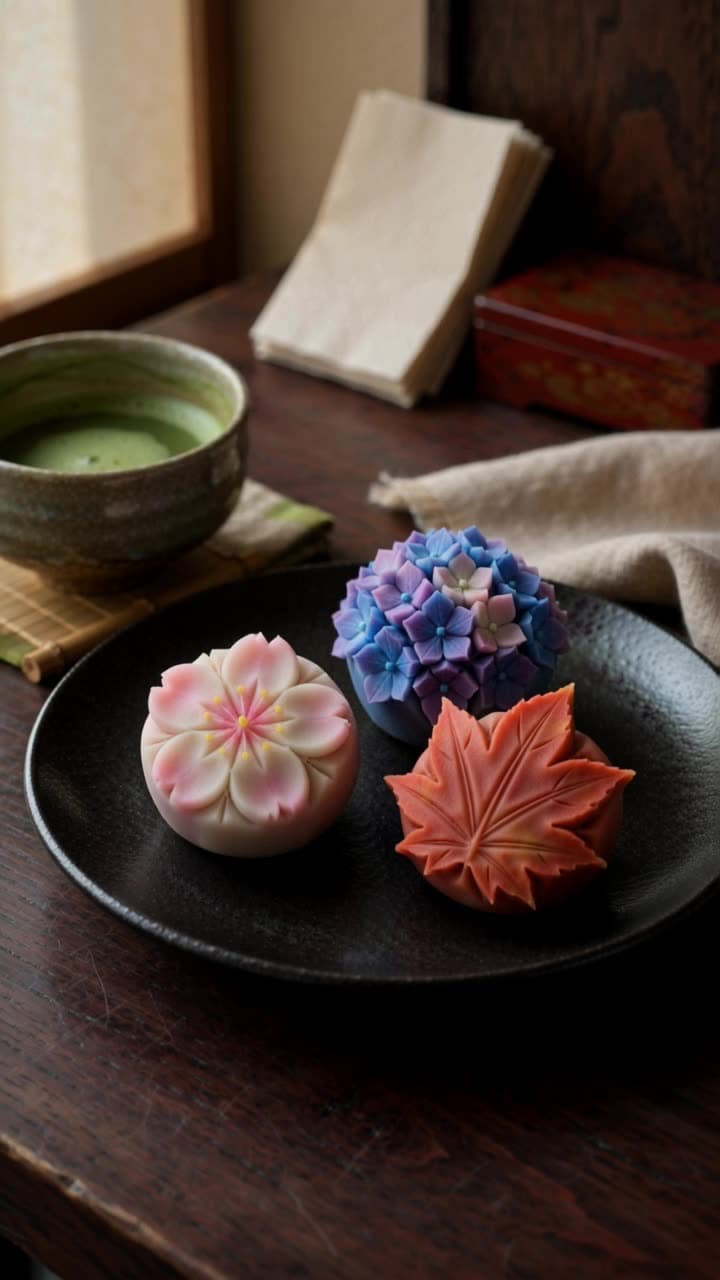
White bean paste shaped by hand into the flowers and scenes of each season, a classic namagashi (fresh sweet).
 AI-generated imagery
Sakura Mochi
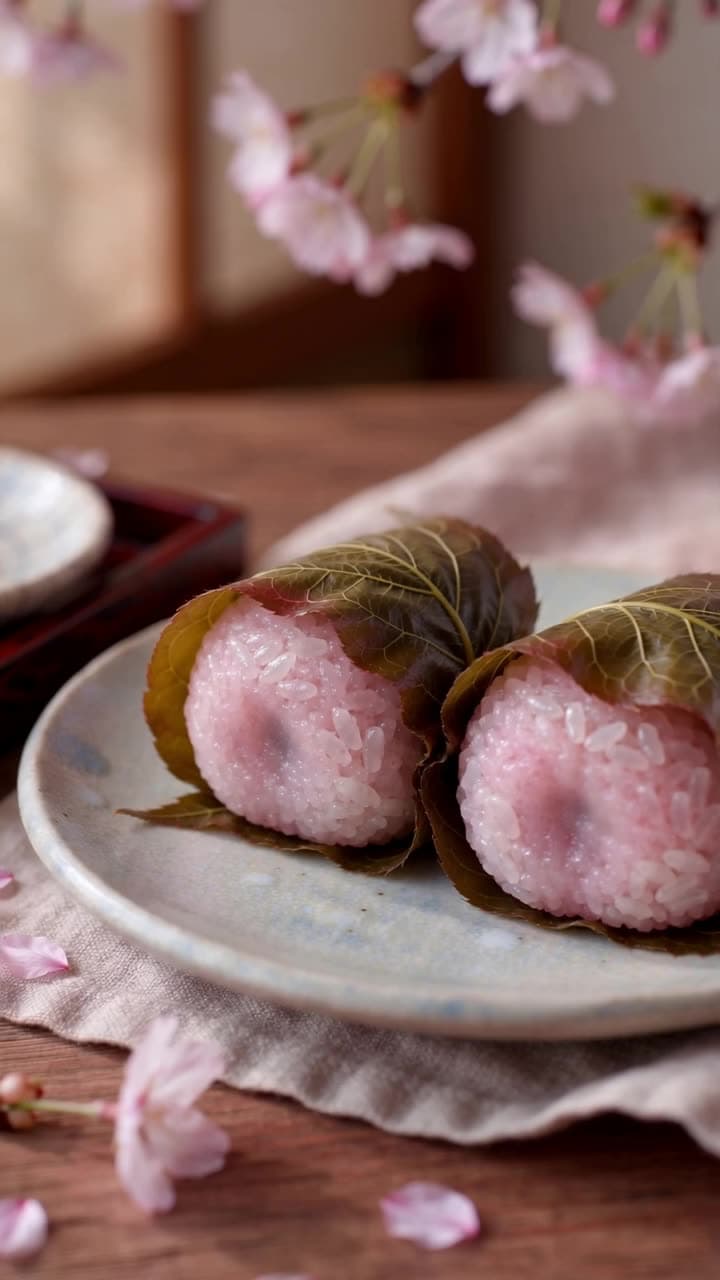
The classic sweet of cherry-blossom season: mochi with sweet bean paste, wrapped in a salted cherry leaf.
 AI-generated imagery
Mizu Yokan
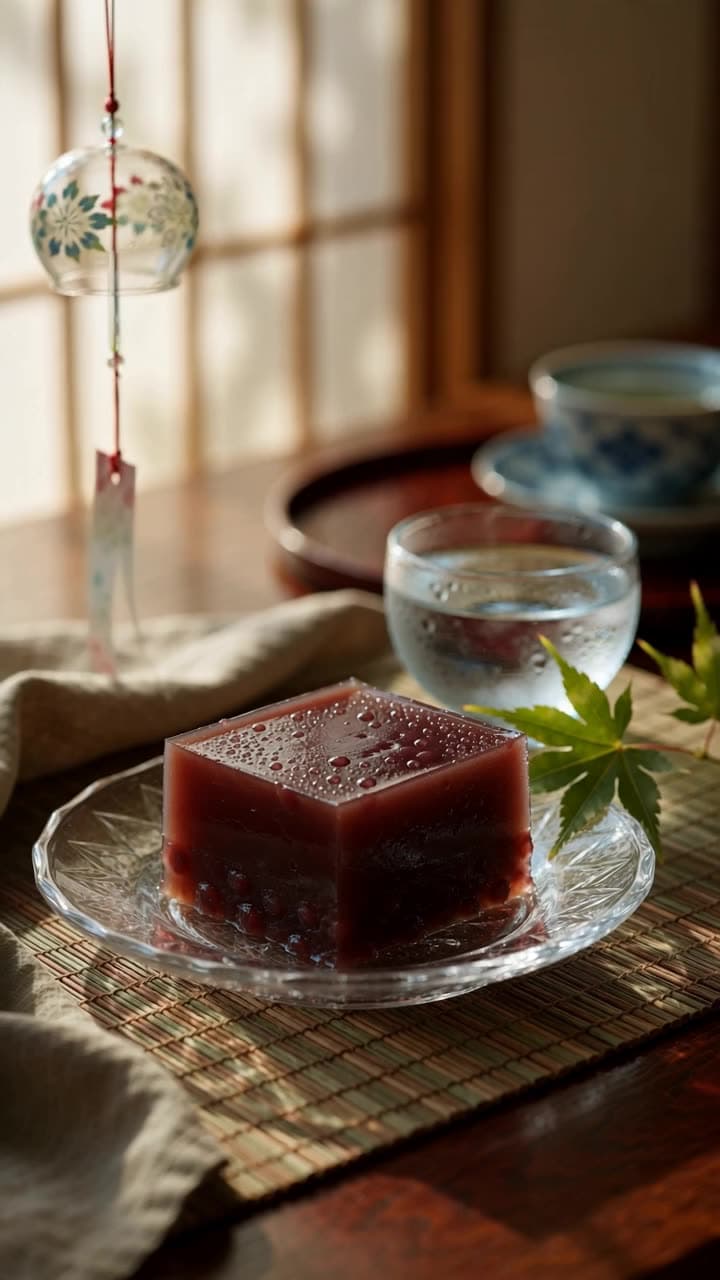
A soft, chilled bean jelly that melts on the tongue in the summer heat.