Wasanbon
和三盆
Also called wasanbon sugar, wasanbonto
A fine, pale sugar made by hand in Kagawa and Tokushima since the Edo period, and the small dry sweets pressed from it in wooden molds.
Wasanbon at a glance
- Taste
- A gentle, refined sweetness with a mellow flavor of the cane, softer than ordinary sugar
- Texture
- Very fine grains; the pressed sweets crumble softly and melt on the tongue
- Main ingredients
- Wasanbon sugar made from a local sugarcane (chikuto, a thin native cane). Some makers use only the sugar; others add a little starch or syrup, and some add colors or flavors such as matcha
- When to eat it
- All year; a classic dry sweet for matcha at tea ceremonies, and a gift for celebrations and the New Year
- Goes well with
- Matcha (usucha, the thinner tea) and other green tea; the sweets can also be dropped into coffee or black tea as sugar
- Where to buy
- Makers' shops in Kagawa and Tokushima, shops at Takamatsu Airport and JR Takamatsu Station, and wagashi shops such as Toraya that sell wasanbon dry sweets
- How long it keeps
- Months, not days: one Kagawa maker gives about 10 months from shipping for its sugar and molded sweets, but only 1 to 2 months for matcha ones. Follow the label; keep airtight and away from humidity, not in the fridge
- Egg, wheat and vegan
- Plain wasanbon sweets are made of sugar, so they often contain no wheat, egg or dairy, but some add starch, syrup or flavorings. They are pure sugar, so not for low-sugar diets. Check the label or ask the shop
- How to say it
- wah-SAHN-bohn
Fun facts about Wasanbon
Nobody is sure where the name comes from. "San-bon" means "three trays", and the explanations include polishing the sugar on a tray for three days, or polishing it about three times in the early days. A Japanese encyclopedia also mentions the idea that sugar was rubbed three times on a tray in China, and a theory linking the name to the third rank of a Chinese official who passed on the method. The "wa" means Japanese.[9],[10],[11],[1]
The wooden molds used for the sweets are works of craft in their own right. One Kagawa mold workshop carves them from mountain cherry wood about a hundred years old, cutting flowers, fish and other designs in reverse with many kinds of chisels, and the molds were recognized as a Kagawa traditional craft in 1999.[12]
How to enjoy Wasanbon
With a bowl of matcha
At a tea gathering, two kinds of sweets are usually prepared: moist main sweets (omogashi) and dry sweets (higashi). Small pressed wasanbon sweets are a classic higashi served with usucha, the thinner matcha. Eat the sweet first and let it melt, then sip the tea; the clean sweetness softens matcha's bitterness.[13],[8],[14]
About this wagashi
Wasanbon (wasanbonto) is a Japanese sugar with very fine, pale-yellow grains, a specialty of Kagawa and Tokushima in eastern Shikoku. It is made from a local sugarcane and is known for its gentle sweetness and the way it melts on the tongue. The word also means the dry sweets (higashi) made by pressing this sugar into carved wooden molds. Unlike rakugan, which mixes sugar with rice or other grain flour, some makers press their wasanbon sweets from the sugar alone. They are served with matcha at tea ceremonies and sold as gifts and souvenirs.
How it is made
Sugarcane is harvested in winter, its juice is boiled down and cooled into a raw sugar called shiroshita-to. Craftsmen then knead it by hand with a little water on a board (togi), wrap it in cloth and press it under weights in a press called an oshibune to squeeze out the molasses, repeating this over several days before it is crushed and dried. For the sweets, the sugar is moistened slightly, packed firmly into a carved wooden mold and turned out.
Wasanbon: history and origins
In eastern Kagawa, once part of the Takamatsu domain in Sanuki Province, sugarcane has been grown since the Edo period on the orders of Matsudaira Yoritaka, the domain's fifth lord. A doctor from Shirotori, Sakiyama Shukei, worked for more than 40 years with Seki Ryosuke from Amami Oshima to establish a way of making sugar, and records show his success in 1790. With the domain's support, Sanuki sugar prospered from the late Edo period into the early Meiji period and was shipped to Osaka. Cheap imported sugar then drove it into decline, but wasanbon production was later revived in both Kagawa and Tokushima.[3],[5]
Across the Sanuki Mountains in Tokushima (old Awa Province), wasanbon is said to have been spread about 220 years ago by Maruyama Tokuya, a mountain ascetic from what is now Kamiita Town, and by the end of the 18th century it was protected by the Tokushima domain. According to the town's account, he went alone to Hyuga in Kyushu, secretly brought back three sections of sugarcane, and after long trial and error moved from brown sugar to white sugar and finally to wasanbon. The south-facing foothills around Kamiita suited the cane, and they were once covered in sugarcane fields. Okada Seitosho, a maker in Kamiita, says its work began in 1776.[4],[15],[16]
What makes wasanbon special is togi, or "polishing". A craftsman adds a little water to the sugar and kneads it by hand on a board, which rounds the crystals and lets the molasses drain away more easily. The sugar is then wrapped in hemp cloth and pressed under stone weights in an oshibune press. One maker says each round of togi takes a full day and needs a skilled hand, and that it is now usually done four or five times because whiter sugar is preferred; another describes finishing the sugar over about a week.[11],[10],[1]
Questions about Wasanbon
What is wasanbon sugar, and how is it different from regular sugar?
Wasanbon is a Japanese sugar made from sugarcane grown in a small area of Kagawa and Tokushima. The boiled-down raw sugar (shiroshita-to) is kneaded by hand with a little water and pressed to squeeze out molasses, again and again, in the traditional way. The result has very fine, pale-yellow grains, a mellow flavor and a texture that melts in the mouth, which is why it is prized by high-end wagashi makers across Japan.[1],[4],[3],[10]
Why is wasanbon so rare and special?
Very little is made, and almost all of it by hand. The cane is grown only in a limited area around Hiketa in Higashikagawa and around Kamiita in Tokushima; a Kagawa farm advisory report counted about 8 hectares of cane in the prefecture and two companies making wasanbon sugar and dry sweets there. The cane is planted in spring and harvested by hand in the cold of December, which takes most of the farm work. In the sugar house, each round of hand polishing (togi) takes a day and needs a skilled craftsman.[3],[5],[4],[11],[17]
How are wasanbon sweets made in the wooden molds?
According to the Japan Wagashi Association, a little water is added to wasanbon sugar and rubbed in, the sugar is packed into a wooden mold and pressed firmly, and the finished sweet is turned out of the mold. Some makers then dry the sweets, and recipes differ: one Kagawa maker uses no starch, flour or syrup at all, while some recipes add starch. The molds are usually two carved boards fitted together, with designs such as flowers and fish cut in reverse.[18],[6],[8],[12]
How long do wasanbon sweets keep, and how should I store them?
Much longer than most wagashi, but follow the label. One Kagawa maker gives about 10 months from shipping for its wasanbon sugar and molded sweets, and about 1 to 2 months for those made with matcha. Wasanbon hardens easily in humidity and picks up smells, so keep it in an airtight container in a cool, dark place, with a desiccant in summer, and do not put it in the fridge.[6]
Sources
Most of the sources are written in Japanese.
- [1]コトバンク 和三盆
- [2]とらや 干菓子
- [3]農林水産省 うちの郷土料理 香川県
- [4]徳島県 和三盆
- [5]特産種苗 第12号 香川、徳島での和三盆糖産地の維持継続を目指して(香川県東讃農業改良普及センター)
- [6]三谷製糖オンラインショップ よくある質問
- [7]三谷製糖羽根さぬき本舗 和三盆と落雁
- [8]辻製菓専門学校 干菓子(押し物・打ち物・有平糖)
- [9]ツーリズム四国 讃岐和三盆(和三盆糖)
- [10]三谷製糖羽根さぬき本舗 和三盆の製法
- [11]岡田製糖所 研ぎ及び遠心分離による糖蜜分離
- [12]木型工房 市原 菓子木型とは
- [13]コトバンク 茶菓子
- [14]コトバンク 干菓子
- [15]上板町 阿波和三盆
- [16]岡田製糖所について
- [17]岡田製糖所 製法
- [18]全国和菓子協会 Types of Wagashi
More wagashi
Konpeito
A tiny, colorful sugar candy covered in little spikes, whose name comes from the Portuguese word confeito.
 AI-generated imagery
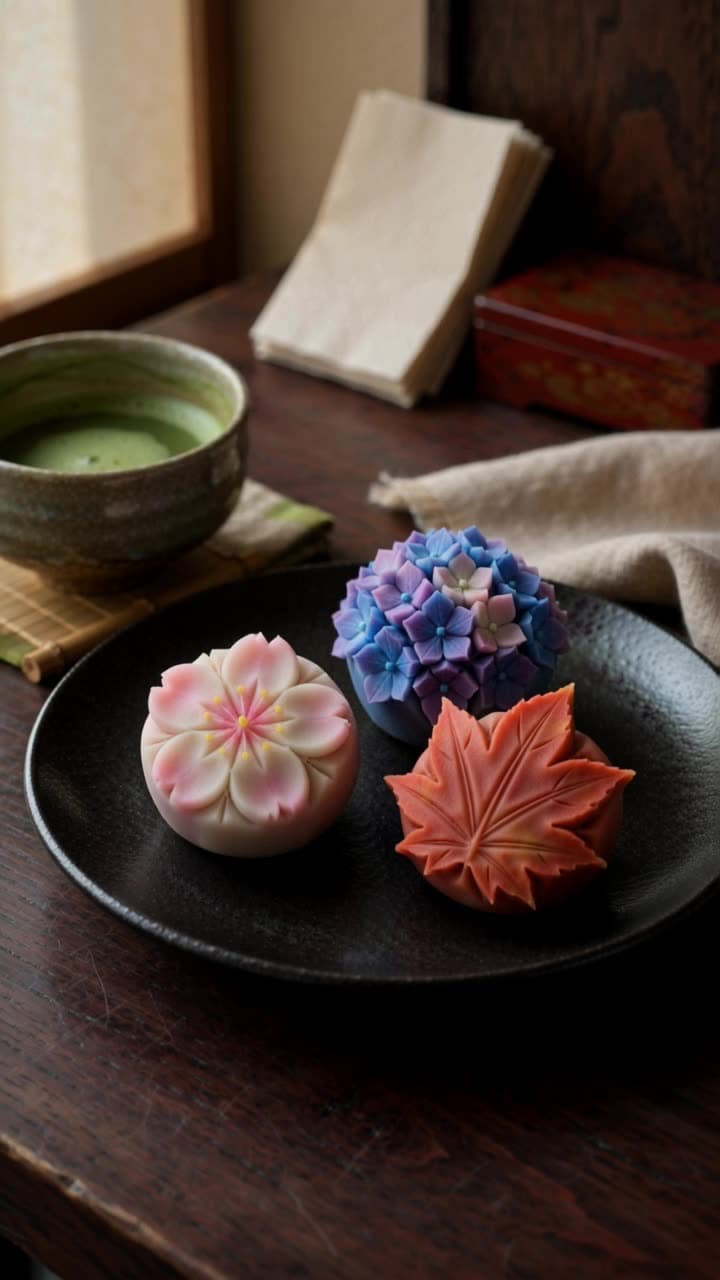
Nerikiri
White bean paste shaped by hand into the flowers and scenes of each season, a classic namagashi (fresh sweet).
 AI-generated imagery
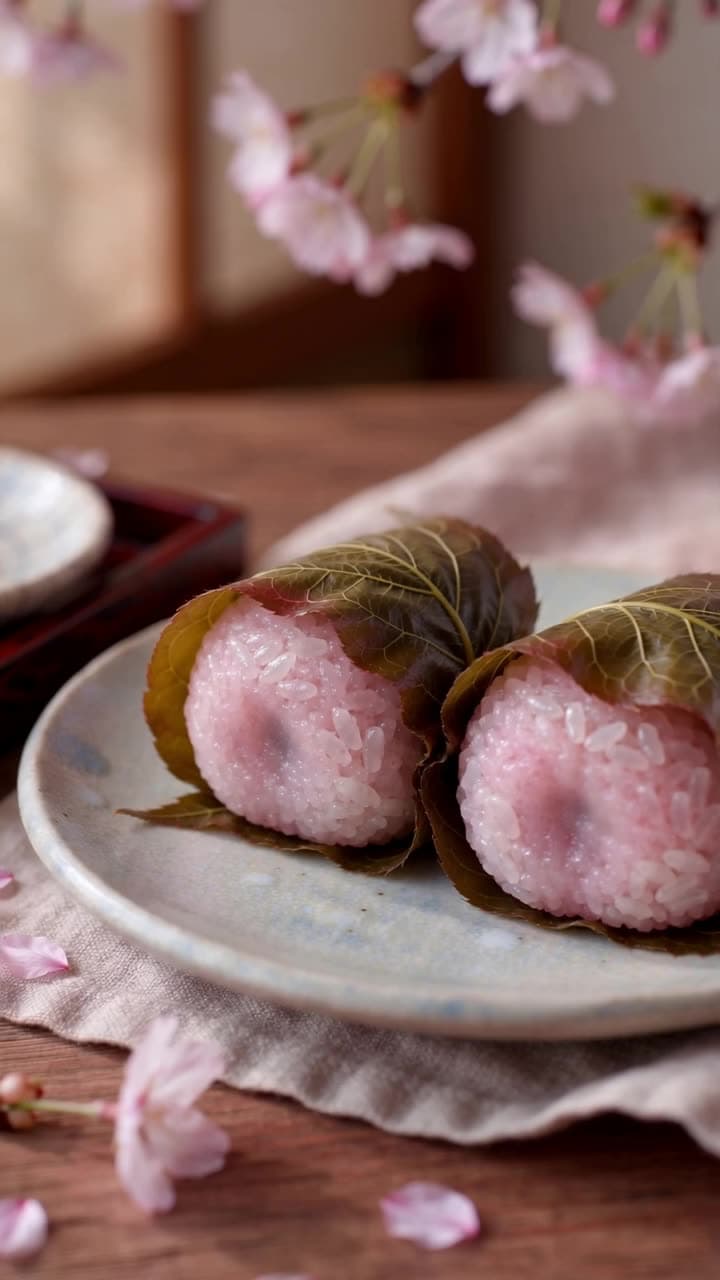
Sakura Mochi
The classic sweet of cherry-blossom season: mochi with sweet bean paste, wrapped in a salted cherry leaf.
 AI-generated imagery
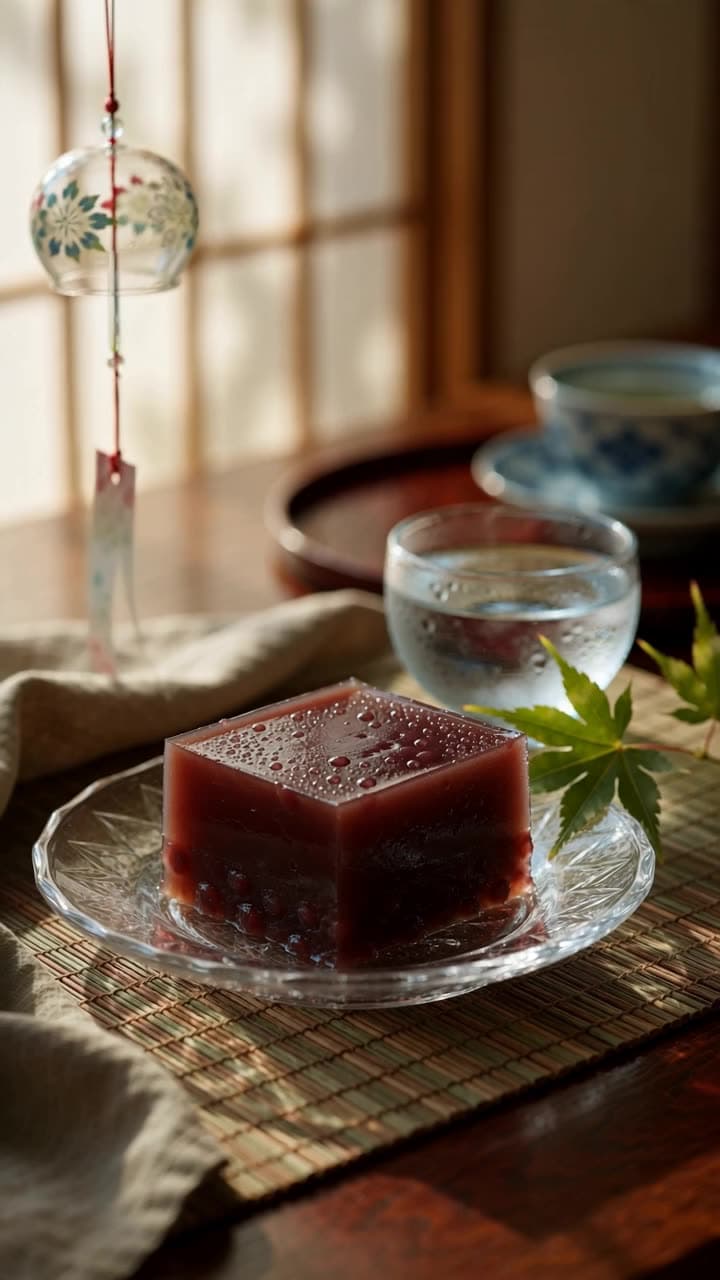
Mizu Yokan
A soft, chilled bean jelly that melts on the tongue in the summer heat.