Kashiwa Mochi
柏餅
Also called kashiwamochi
Soft rice-flour mochi folded around sweet bean paste and wrapped in an oak leaf, made for Children's Day in May.
Kashiwa Mochi at a glance
- Taste
- Mild: lightly sweet bean paste, or a sweet-and-salty white-miso paste, in plain rice mochi with a faint scent from the oak leaf
- Texture
- Smooth and springy; less sticky than mochi made from glutinous rice
- Main ingredients
- Joshinko (non-glutinous rice flour), sugar, smooth or chunky red bean paste or white-miso paste, and an oak leaf; some shops also make a green version with mugwort
- When to eat it
- Children's Day (May 5); shops sell it from about April to early May
- Goes well with
- Green tea such as sencha or hojicha
- Where to buy
- Wagashi shops and department-store food halls; before Children's Day you may also see it at supermarkets and convenience stores
- How long it keeps
- Best on the day; some shops give up to about three days, so follow the label
- Egg, wheat and vegan
- The mochi is usually made from rice flour, with no wheat, egg or dairy; the miso filling contains soy. Check with the shop or the label
- How to say it
- kah-shee-wah MOH-chee
Fun facts about Kashiwa Mochi
In Edo, the direction of the leaf told you what was inside. According to Morisada Manko, the shiny front of the leaf faced out for red bean paste, and the back faced out for miso paste.[5]
In places such as Yamaguchi, where oak trees are scarce, the mochi is steamed between leaves of sarutori-ibara and goes by names like hotendo mochi. Families once made it at home for rice planting and Obon too, and gathering the leaves in the hills was the children's job.[8]
Kashiwa mochi was not always a May sweet. Toraya's oldest order fell at the end of September by today's calendar, and at Sarugababa on the Tokaido highway, in today's Kosai, Shizuoka, it was sold all year round as a specialty for travelers.[6]
How to enjoy Kashiwa Mochi
Peel off the leaf, then eat
Unlike the soft salted leaf on sakura mochi, the oak leaf is not normally eaten. It is there to protect the mochi and give it a light scent, so unwrap it first. The mochi is easy to eat with your fingers.[4]
Plan around the season
Kashiwa mochi is a sweet for the weeks before May 5. Shops usually start in April, and some, such as Toraya, make a limited number and stop once it sells out, reservations included. If you have a shop in mind, reserve or go early in the day.[2],[1]
Look at the fillings on offer
Common fillings are smooth koshian, chunky tsubuan and a miso paste, and some shops make a green dough with mugwort. The miso paste is white miso sweetened with sugar, so it is a sweet, not a savory, filling. Buying two kinds is an easy way to taste the difference.[2],[1]
About this wagashi
Kashiwa mochi is a flat round of soft rice-flour mochi, folded in half over a filling and wrapped in the leaf of the kashiwa, a Japanese oak. The filling is smooth or chunky sweet bean paste, or a sweet paste made from white miso. It is eaten for Tango no Sekku on May 5, the festival now called Children's Day, as a wish for children to grow up well and for the family line to continue.
How it is made
Joshinko, a flour made from non-glutinous rice, is kneaded and steamed, pressed flat, and folded in half around the filling. The mochi is then wrapped in an oak leaf. In parts of western Japan, the leaves of a climbing plant called sarutori-ibara are used instead.
Kashiwa Mochi: history and origins
Kashiwa mochi is named after the leaf of the kashiwa, a Japanese oak. The tree keeps its old leaves until new buds have grown, so it became a symbol of a family line that never breaks, a meaning prized by samurai families who placed great value on heirs. There is also a theory that kashiwa once meant any leaf used to serve or wrap food, not only oak leaves.[11],[2],[6]
The records of the confectioner Toraya include an order for kashiha-mochi from the court noble Konoe Motohiro, dated the 20th day of the 8th month of 1702, which was autumn in the old calendar. It is the oldest mention of the sweet in Toraya's archives. A confectionery book from 1718 describes wrapping bean paste in rice-flour mochi, then wrapping it in an oak leaf and steaming it. Sources disagree on exactly when kashiwa mochi began, but it spread during the Edo period.[6]
The book Morisada Manko, written around 1837 to 1867, says that in Edo people handed out kashiwa mochi for a boy's first Tango no Sekku, while in Kyoto and Osaka they used chimaki, rice dumplings wrapped in leaves, and switched to kashiwa mochi from the second year. At Toraya, orders for kashiwa mochi in the Tango season became noticeable from the Meiji era onward.[5],[6]
Questions about Kashiwa Mochi
Can you eat the kashiwa mochi leaf?
No, the oak leaf is not normally eaten; peel it off before you take a bite. It wraps the mochi to protect it and add a light scent, and it is not suited to eating. This is different from sakura mochi, whose soft salted leaf can be eaten.[4],[12]
When can you buy kashiwa mochi?
Mainly from April to Children's Day on May 5. Wagashi shops make it for Tango no Sekku, often from mid- or late April, and some sell only a limited number. In 2026, for example, Kanou Shoju-an sold it from April 14 to May 5.[1],[2]
Is kashiwa mochi gluten-free?
The mochi is normally made from joshinko rice flour, not wheat, so many kashiwa mochi contain no wheat. Recipes vary by shop, though, and kitchens may also handle wheat, so if you have coeliac disease or a wheat allergy, check the label or ask. The miso version contains soy.[3],[1]
Sources
Most of the sources are written in Japanese.
More wagashi
 AI-generated imagery
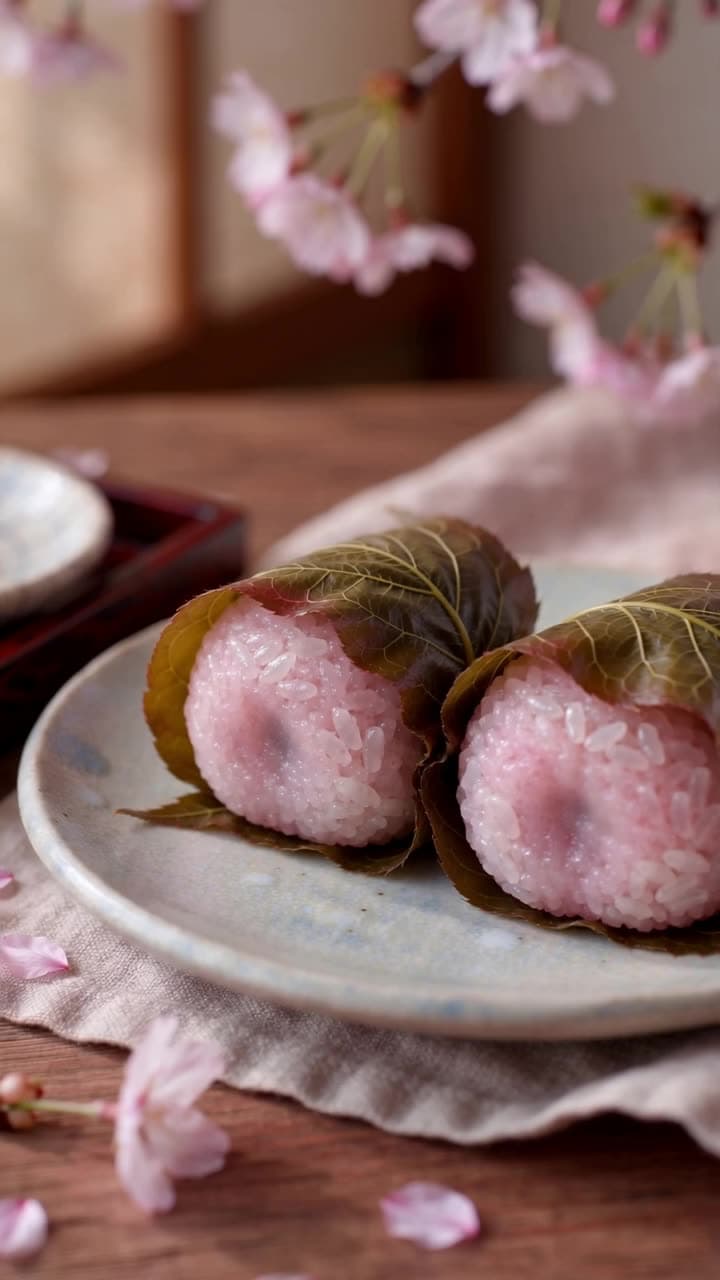
Sakura Mochi
The classic sweet of cherry-blossom season: mochi with sweet bean paste, wrapped in a salted cherry leaf.
 AI-generated imagery
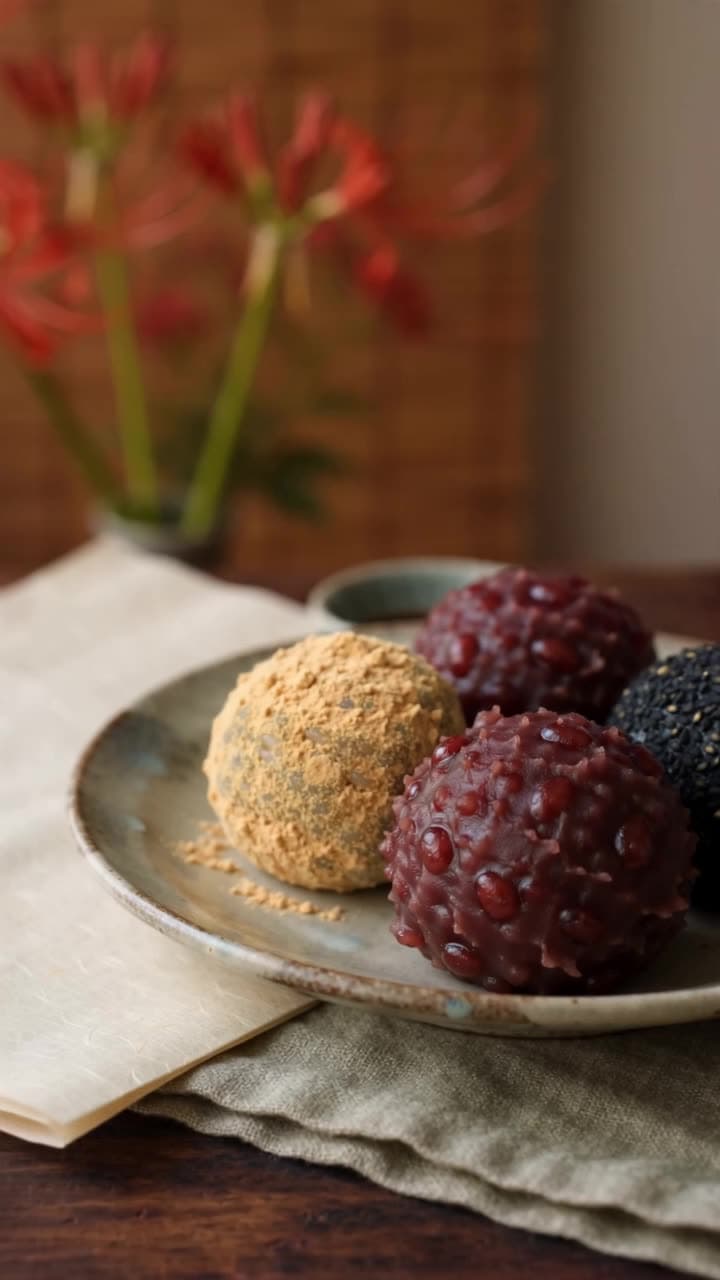
Ohagi
Lightly mashed sweet rice wrapped in bean paste, offered to ancestors during the spring and autumn equinox weeks.
 AI-generated imagery
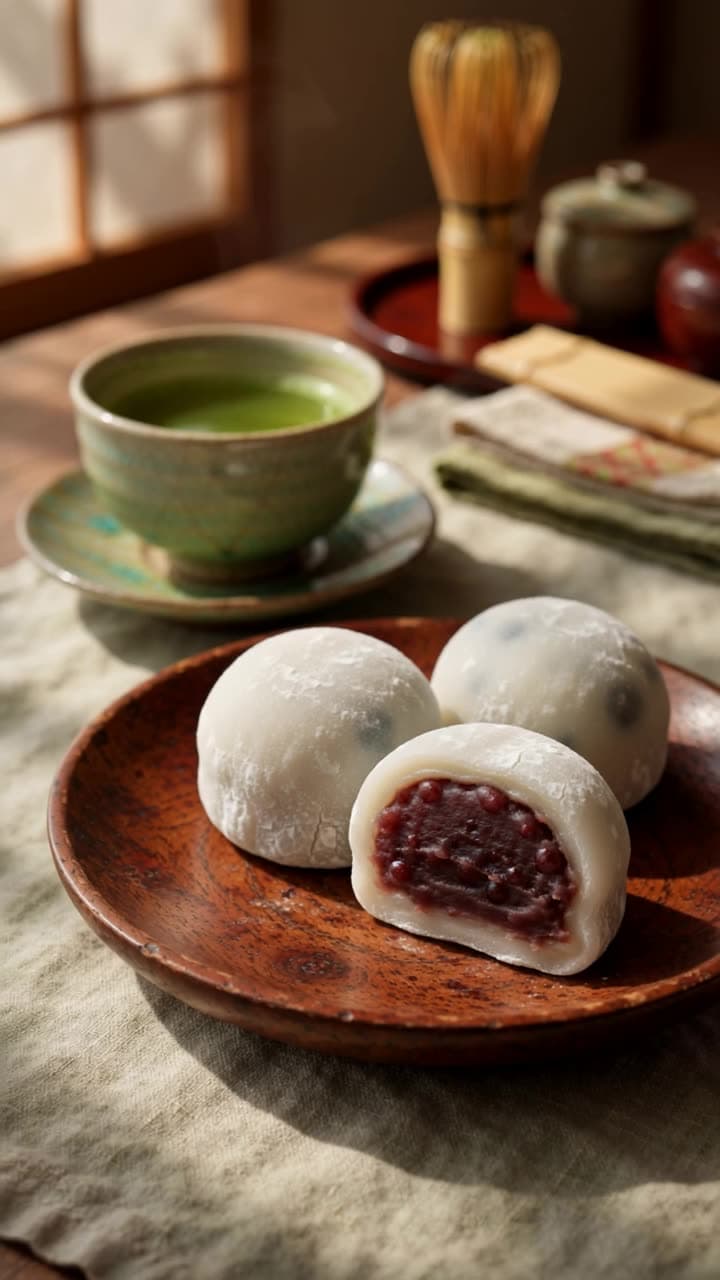
Daifuku
Soft, round mochi filled with sweet red bean paste. Its name means "great luck", and it is enjoyed all year.
 AI-generated imagery
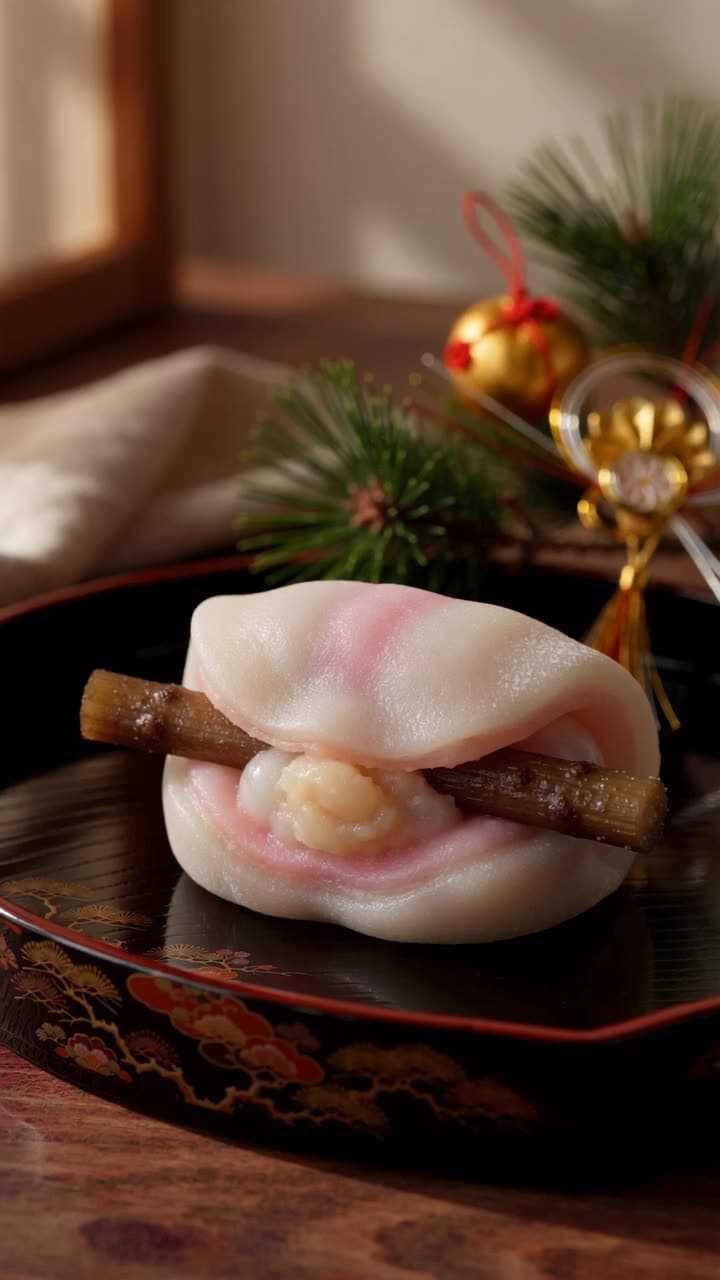
Hanabira Mochi
A New Year sweet of white mochi layered with a red diamond of mochi, folded over sweet miso bean paste and a stick of burdock.