Ohagi
おはぎ
Also called botamochi
Lightly mashed sweet rice wrapped in bean paste, offered to ancestors during the spring and autumn equinox weeks.
Ohagi at a glance
- Taste
- Sweet red bean paste over plain rice that is often cooked with a pinch of salt; kinako and sesame kinds taste nutty
- Texture
- Soft, sticky rice with some grains still whole, wrapped in smooth or chunky bean paste
- Main ingredients
- Glutinous rice (sometimes mixed with ordinary rice), azuki bean paste and sugar; also kinako, sesame or aonori coatings
- When to eat it
- Ohigan, the equinox weeks in March and September; many shops sell it all year
- Goes well with
- Japanese green tea; red bean sweets also go with coffee or black tea
- Where to buy
- Wagashi shops, supermarkets and convenience stores; some famous shops sell it only at ohigan
- How long it keeps
- Eat it the same day; it does not freeze well
- Egg, wheat and vegan
- Usually no egg, milk or wheat, and plant-based; sesame and soy (kinako) coatings are common, so check the shop or label for allergies
- How to say it
- oh-HAH-gee
Fun facts about Ohagi
One sweet, four names: botamochi in spring, yofune ("night boat") in summer, ohagi in autumn and kitamado ("north window") in winter. The summer and winter names are puns: because the rice is not pounded (tsuki-shirazu), it is like a night boat whose arrival (tsuki) goes unnoticed, or a north window that never sees the moon (tsuki).[6]
Another old nickname is tonari-shirazu, "the neighbors never know." Since there is no loud pounding of rice in a mortar, you can make it without the house next door noticing.[7]
Ohagi also marked new life. On a baby's third day, families made ohagi and gave it to people close to them, and fed it to the new mother in the hope that her milk would flow well.[11]
In parts of Japan, including Yamagata, Gunma, Nagano, Hyogo and Shimane, ohagi has the alarming local name hangoroshi, "half-killed," because the rice is only half mashed.[12]
Ohagi is the favorite food of Sanemi Shinazugawa, the Wind Hashira in Demon Slayer: Kimetsu no Yaiba. In episode 7 of the anime's Hashira Training Arc (June 2024), Tanjiro guesses it because Sanemi always smells faintly of mochi rice and bean paste, and Giyu Tomioka decides to keep ohagi in his kimono to give Sanemi, hoping to make friends.[13],[14]
How to enjoy Ohagi
Time it with ohigan
Ohagi is sold all year in many places, but ohigan, the seven days centered on the spring and autumn equinoxes, is its true season. Some well-known shops make it only then: Toraya, for example, sold its ohagi from 20 to 26 September in 2026. If you are in Japan in late March or late September, look out for it.[3],[6]
Pick an assortment
Shops often sell ohagi in several kinds side by side, so it is fun to choose a mix. Beyond red bean paste, look for kinako, black sesame and aonori (green laver); the agriculture ministry's own recipe makes all four. Toraya's ohagi set, for example, combines three kinds, including brown-sugar bean paste, and its Kansai shops include a kinako one.[6],[3]
Ohagi in Kyoto
Kyoto is a famous azuki-growing area: its Tanba Dainagon azuki are known across Japan as large, sweet beans. Families there still make ohagi at ohigan and share it with neighbors, and wagashi shops sell it too, so it is a good city to try one made with local beans.[2]
About this wagashi
Ohagi is made from cooked glutinous rice, sometimes mixed with ordinary rice, that is lightly mashed and wrapped in red bean paste. Some are rolled in kinako (roasted soybean flour), sesame or green laver (aonori) instead. Families place them on the home Buddhist altar during ohigan, the seven days around the spring and autumn equinoxes, and share them with neighbors. The same sweet has different names by season: botamochi in spring and ohagi in autumn.
How it is made
The rice is cooked and then only lightly mashed, not pounded in a mortar like ordinary mochi, so some grains keep their shape. Each ball is wrapped in bean paste or rolled in kinako or sesame. In Kyoto, some are filled with bean paste and coated with kinako.
Ohagi: history and origins
The names come from flowers. In spring the sweet is likened to the peony (botan) and called botamochi; in autumn it is likened to bush clover (hagi) and called ohagi. Some say the names also depend on the bean paste, smooth or chunky, but sources disagree about which name goes with which, so the seasonal explanation is the common one.[3],[6],[12]
Honcho Shokkan, a book on Japanese food published in 1697, already describes botamochi and lists nicknames such as tonari-shirazu and yofune. In the Edo period (1603–1868), the sweet made for the spring equinox week was called botamochi and the autumn one ohagi. By the late Edo period, people were already offering it at the family altar during both equinox weeks and handing it out to neighbors.[7],[3]
Questions about Ohagi
Botamochi vs ohagi: what's the difference?
They are the same sweet with two names. The most common explanation is the season, botamochi in spring and ohagi in autumn; other theories tie the names to smooth or chunky bean paste, or to size, with botamochi larger like a peony and ohagi smaller like bush clover. In shops, most are simply sold as ohagi all year round.[1],[3]
When do people eat ohagi?
Above all during ohigan, the seven days centered on the spring equinox in March and the autumn equinox in September. Families visit graves, offer ohagi at the home altar and share it with neighbors. Many shops and supermarkets also sell it all year as an everyday sweet.[6],[2],[1]
Sources
Most of the sources are written in Japanese.
- [1]Wikipedia ぼたもち
- [2]農林水産省 うちの郷土料理 おはぎ(京都府)
- [3]虎屋 おはぎ
- [4]虎屋 生菓子の冷凍保存
- [5]japan-guide.com Wagashi
- [6]農林水産省 春の和菓子ぼたもち
- [7]コトバンク 牡丹餅
- [8]江の島・鎌倉ナビ 龍口寺
- [9]WEBふじさわびと 龍口法難会
- [10]日蓮宗新聞社
- [11]全国和菓子協会 人の一生と和菓子
- [12]岩手県立図書館 レファレンス事例
- [13]MANTANWEB 鬼滅の刃 柱稽古編:不死川さんの好物はおはぎ 趣味はカブトムシ育て “おはぎ作戦”もくろむ義勇さんが可愛すぎる!(2024-06-30)
- [14]ORICON NEWS <鬼滅の刃>不死川がブチギレ! 冨岡の”おはぎ”渡すGIFアニメ公開で話題(2024-06-30)
- [15]全国和菓子協会 和菓子の保存
More wagashi
 AI-generated imagery
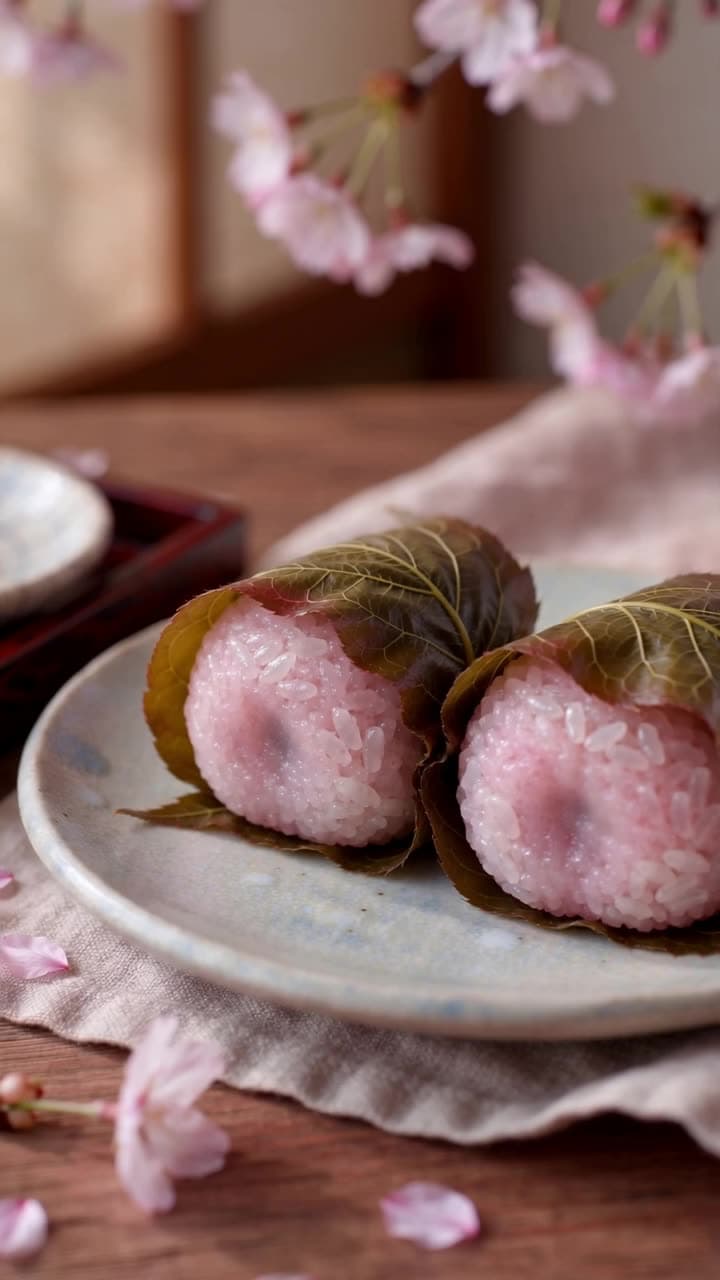
Sakura Mochi
The classic sweet of cherry-blossom season: mochi with sweet bean paste, wrapped in a salted cherry leaf.
 AI-generated imagery
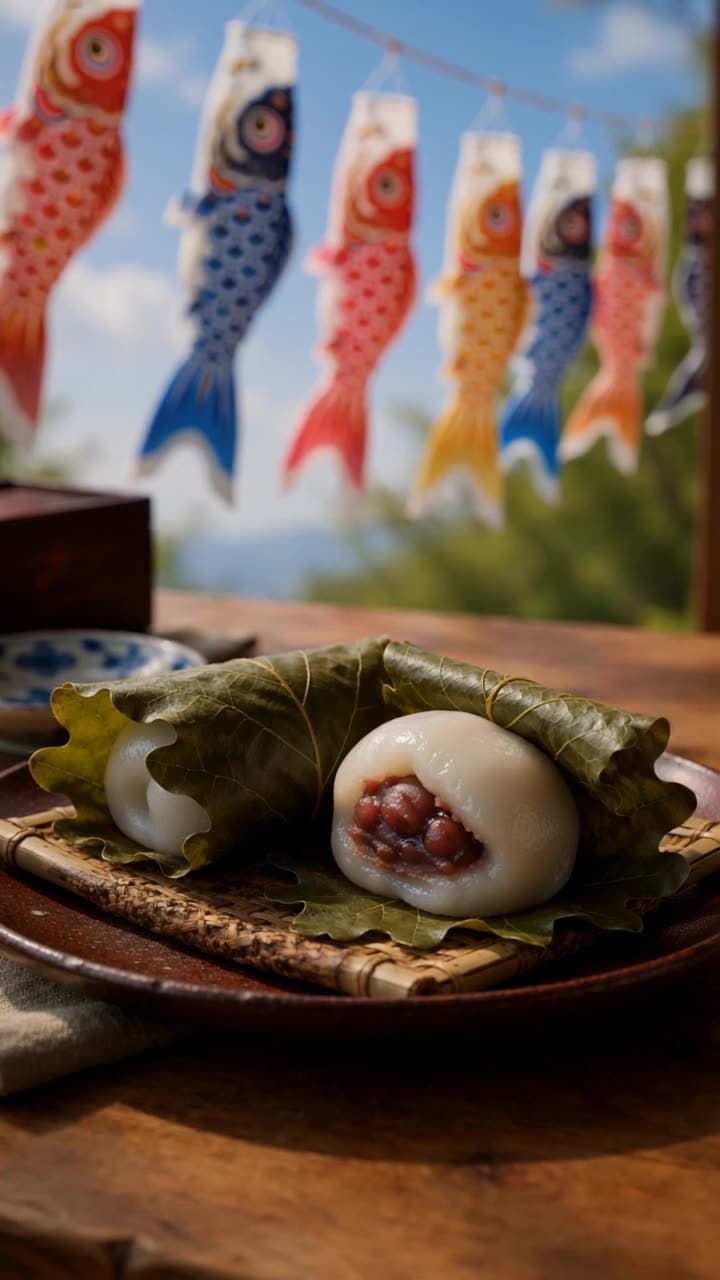
Kashiwa Mochi
Soft rice-flour mochi folded around sweet bean paste and wrapped in an oak leaf, made for Children's Day in May.
 AI-generated imagery
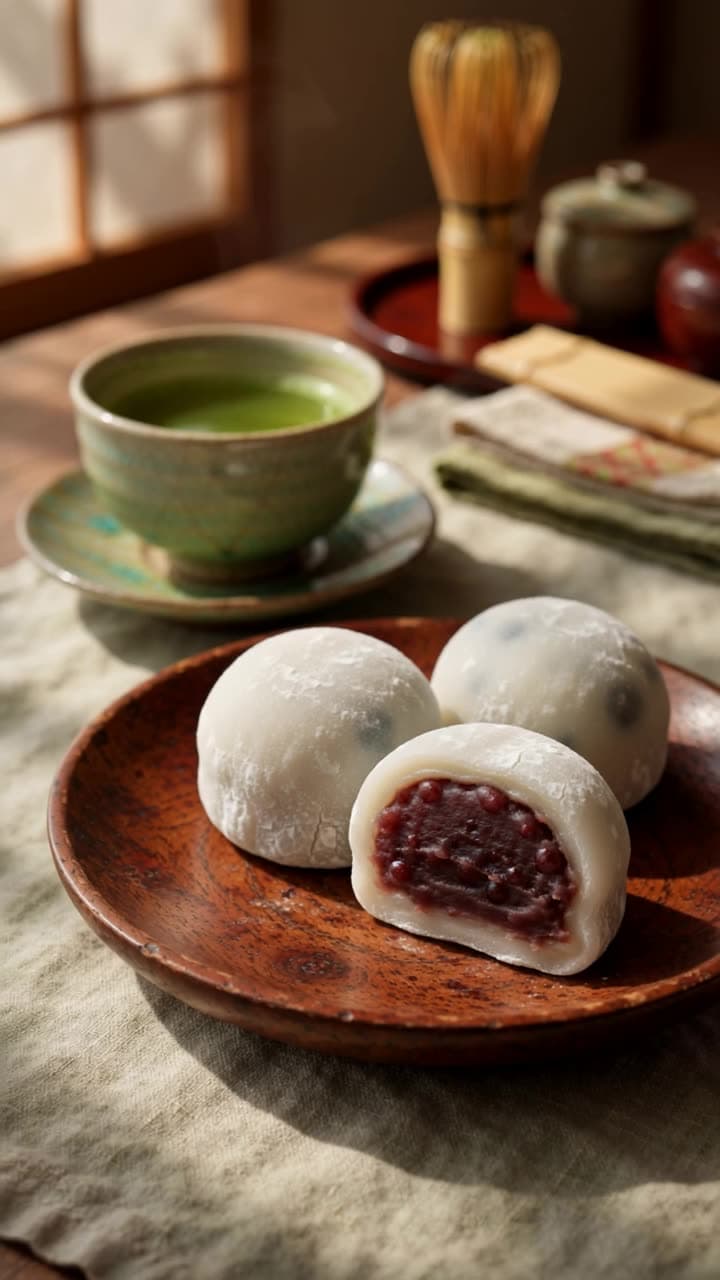
Daifuku
Soft, round mochi filled with sweet red bean paste. Its name means "great luck", and it is enjoyed all year.
 AI-generated imagery
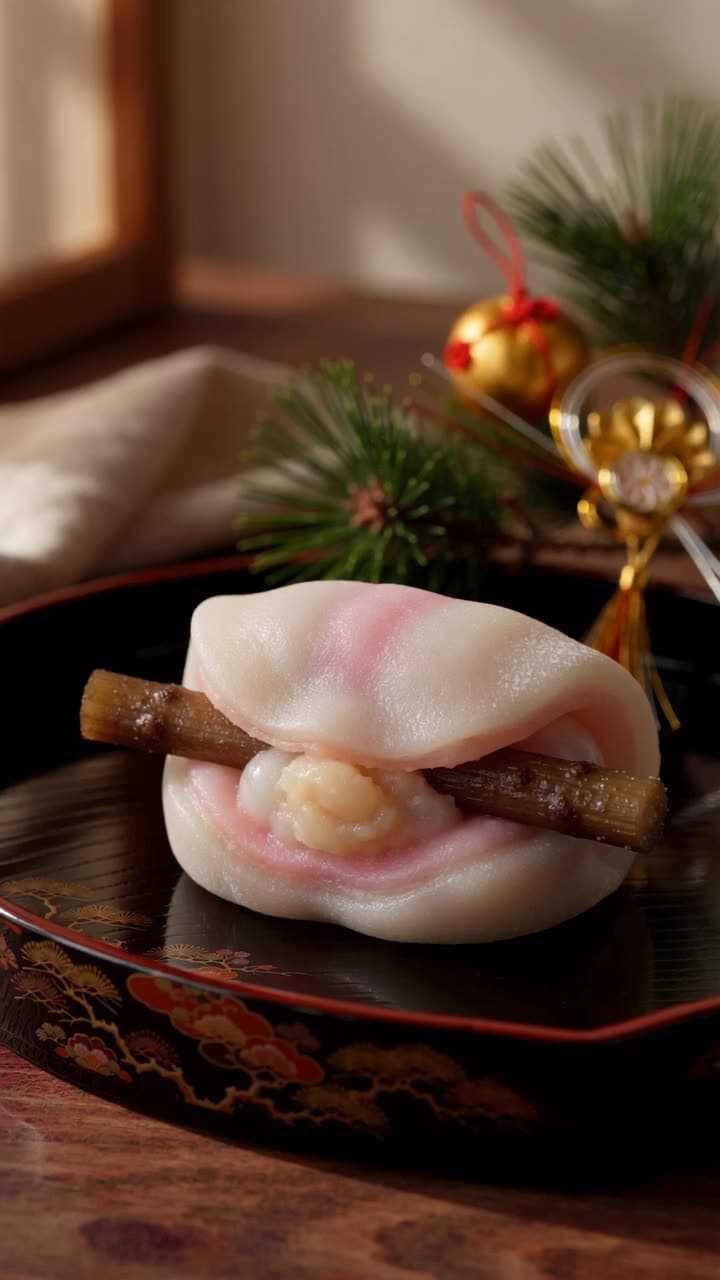
Hanabira Mochi
A New Year sweet of white mochi layered with a red diamond of mochi, folded over sweet miso bean paste and a stick of burdock.