What is mochi?
Mochi is usually glutinous rice that has been steamed, pounded and shaped. Japanese dictionaries also use the word more widely: for cakes of other grains such as millet, for doughs kneaded from rice flour, and even for sweets set from starches such as kuzu (kudzu starch). The starch in glutinous rice has a highly branched structure, and pounding tangles it together, which is what makes mochi so stretchy.
Source (in Japanese): コトバンク 餅
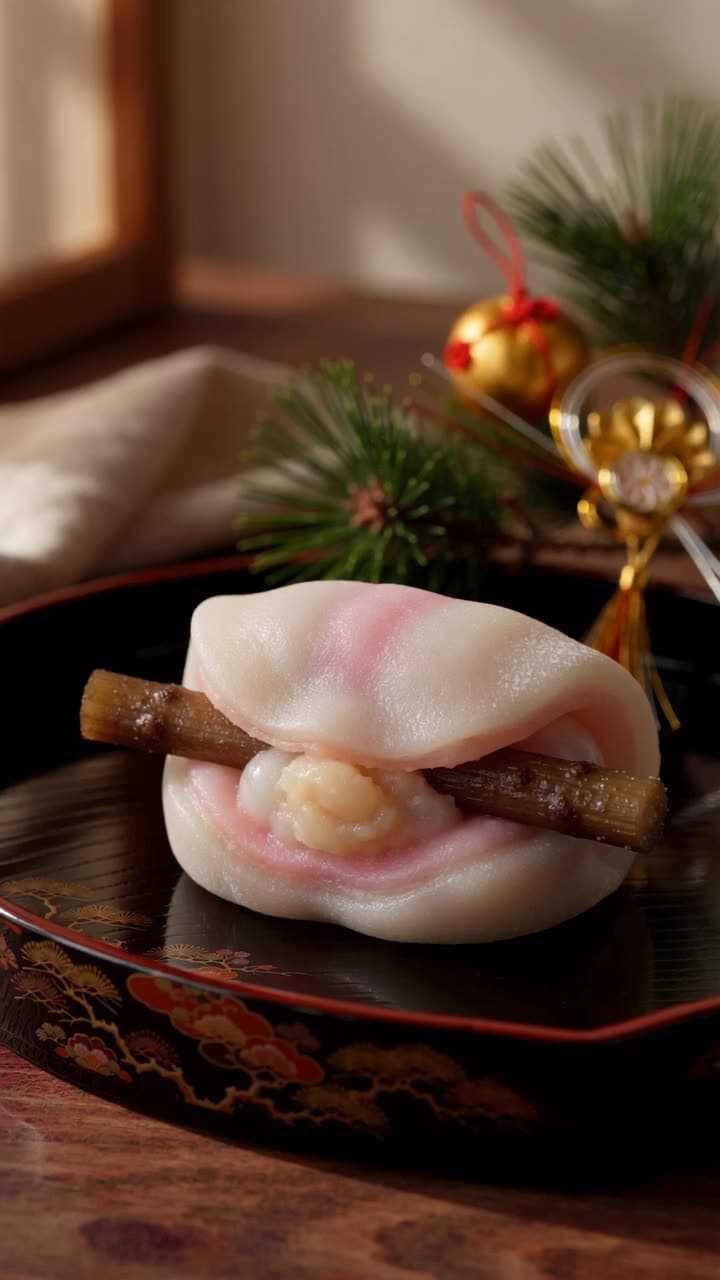
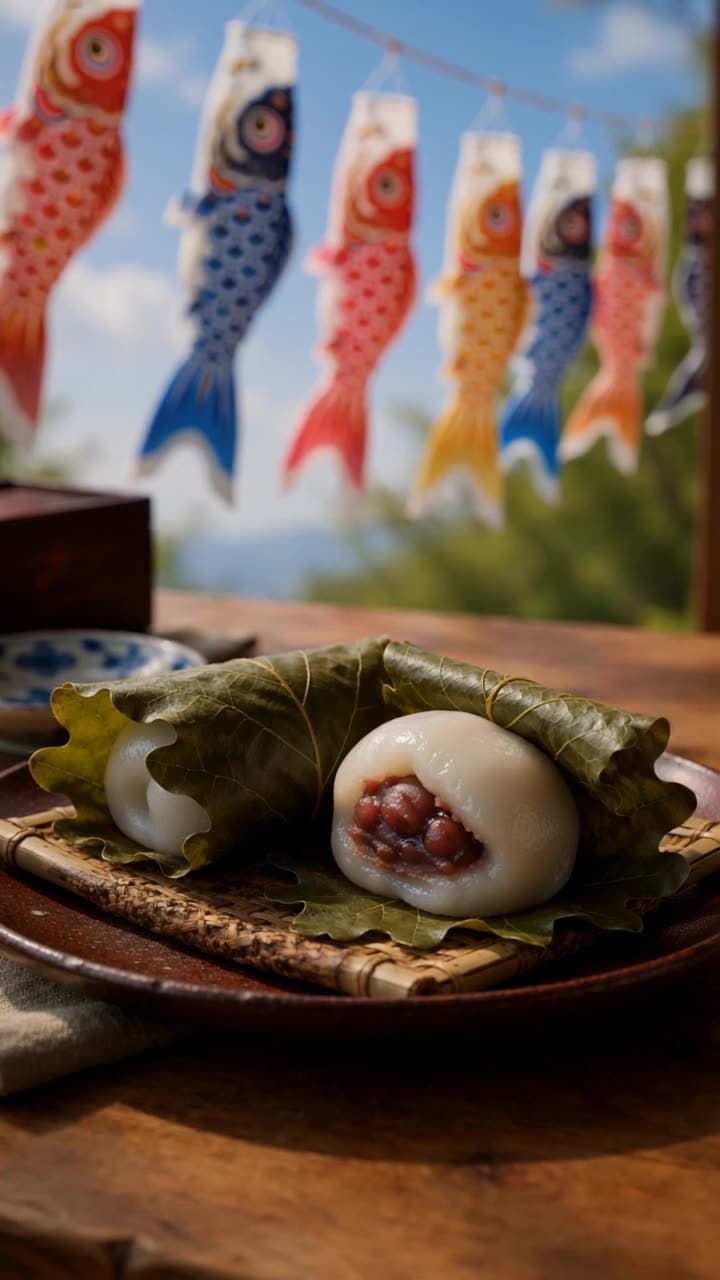
Mochi is said to be Japan's oldest processed food: a dictionary from 934 already lists it as "mochihi". Because it is made from rice, it was treated as sacred, believed to give strength and eaten on special days, and its long, unbroken stretch became a wish for long life. Mochi still marks the seasons, from kagami mochi at New Year to hishi mochi in March and kashiwa mochi in May.
Source (in Japanese): 全国和菓子協会 和菓子の歴史 / 農林水産省 にっぽん伝統食図鑑 杵つき餅 / 農林水産省 aff 季節と餅
A note on the word: the character 餅 used for mochi in Japan means something else in China. There, 餅 (bing) refers to wheat-flour foods such as buns and dumplings, and the word that matches Japanese mochi is 餈 (ci).
Source (in Japanese): コトバンク 餅
How mochi is made (mochitsuki)
To make mochi, glutinous rice is steamed and then pounded in a wooden or stone mortar until it turns sticky. This pounding is called mochitsuki, and in Japanese poetry it is a word for winter.
Source (in Japanese): 農林水産省 にっぽん伝統食図鑑 杵つき餅 / コトバンク 餅搗き
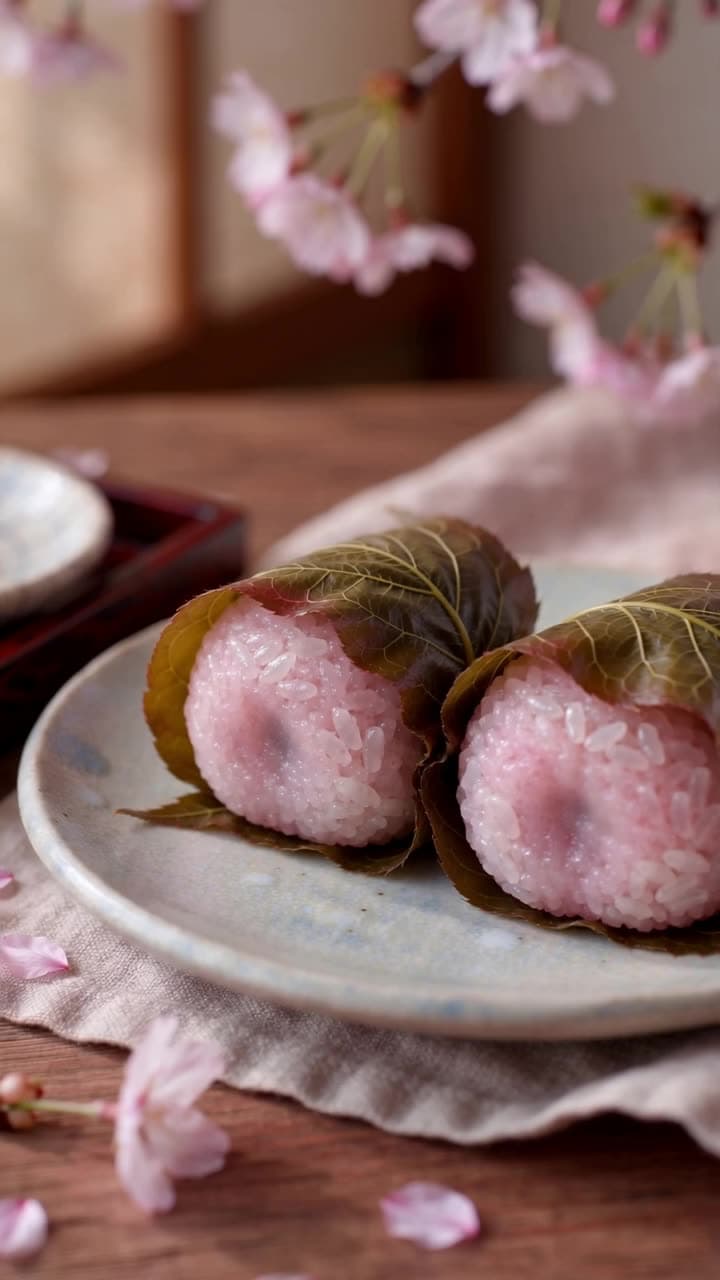
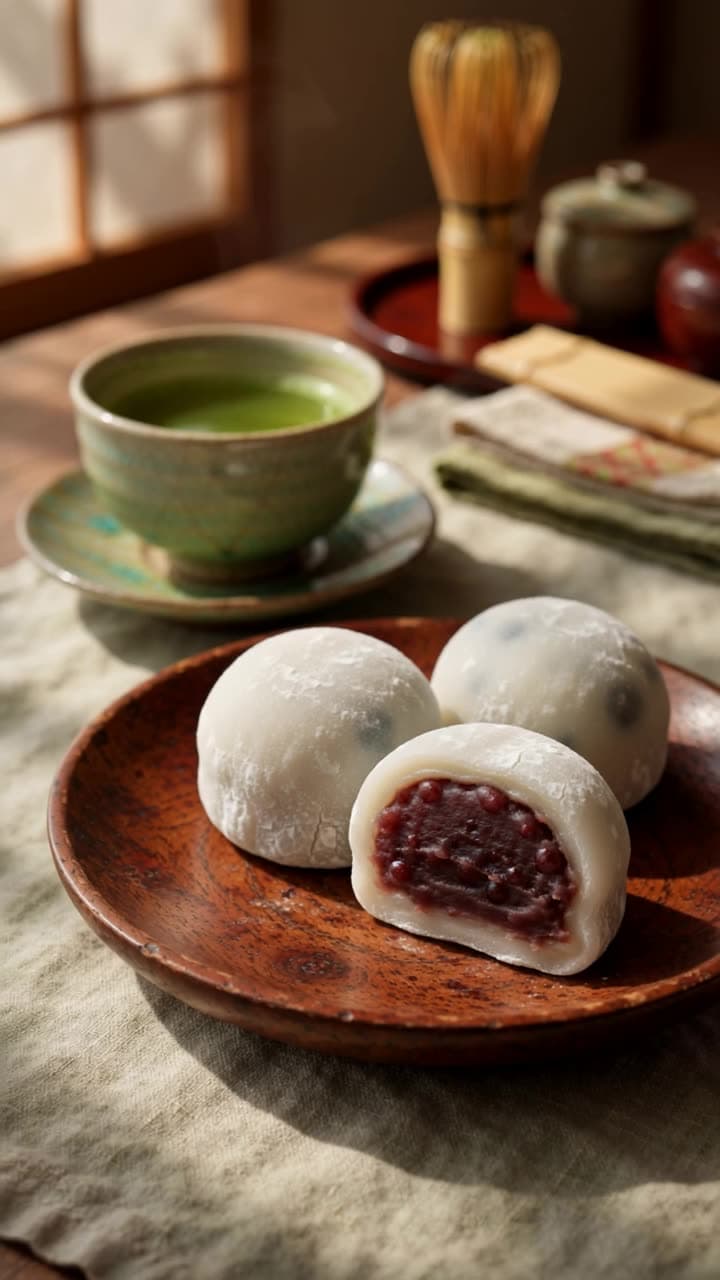
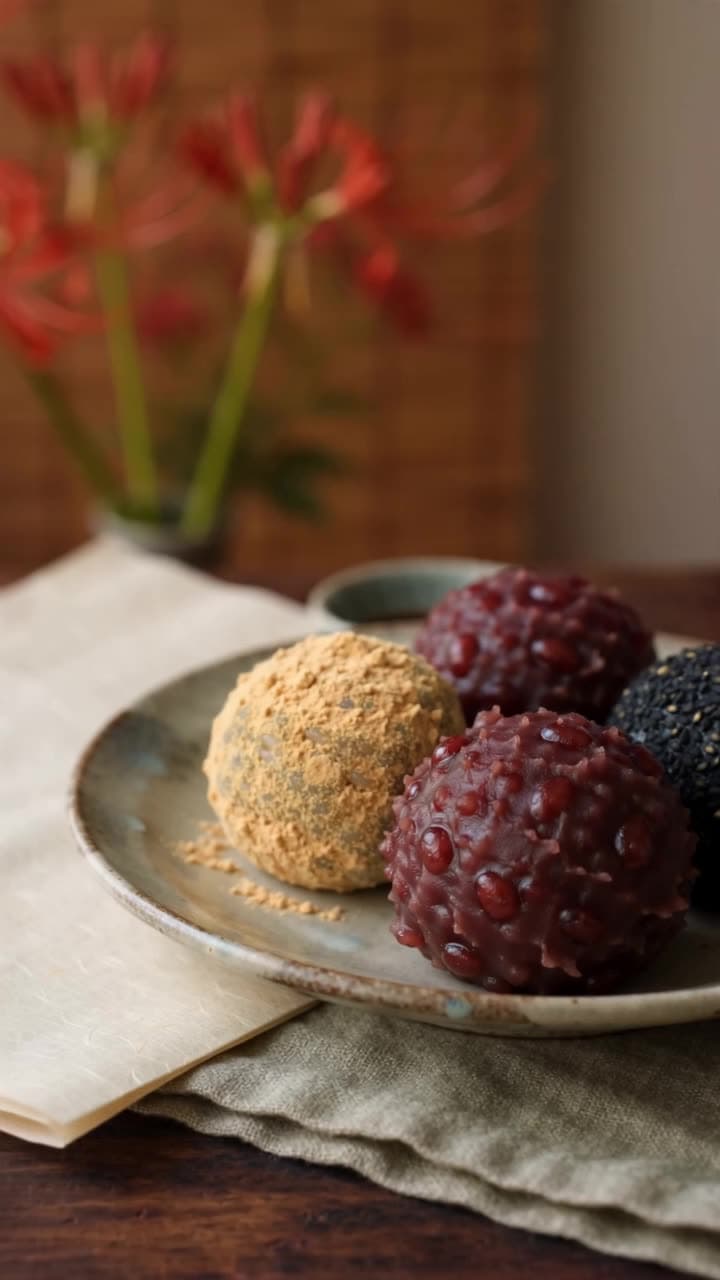
Mochi sweets (mochigashi) are soft wagashi made from glutinous rice or from rice flours such as joshinko and shiratama. In fact, few are made from plain pounded mochi today; daifuku is the main one. Our kashiwa mochi uses joshinko dough that is steamed and pounded, Kansai-style sakura mochi uses coarse domyoji rice, and ohagi is cooked glutinous rice that is lightly mashed rather than pounded.
Source (in Japanese): コトバンク 餅菓子 / コトバンク 和菓子 / 文部科学省 食品成分表 菓子類 / 農林水産省 うちの郷土料理(京都府)
Mochi sweets come in a few basic shapes: mochi wrapped around sweet bean paste (daifuku, uguisu mochi), rice covered with bean paste or kinako (botamochi, abekawa mochi), and sweets wrapped in a leaf (kashiwa mochi, sakura mochi, chimaki).
Source (in Japanese): コトバンク 餅菓子
Is all mochi made from rice?
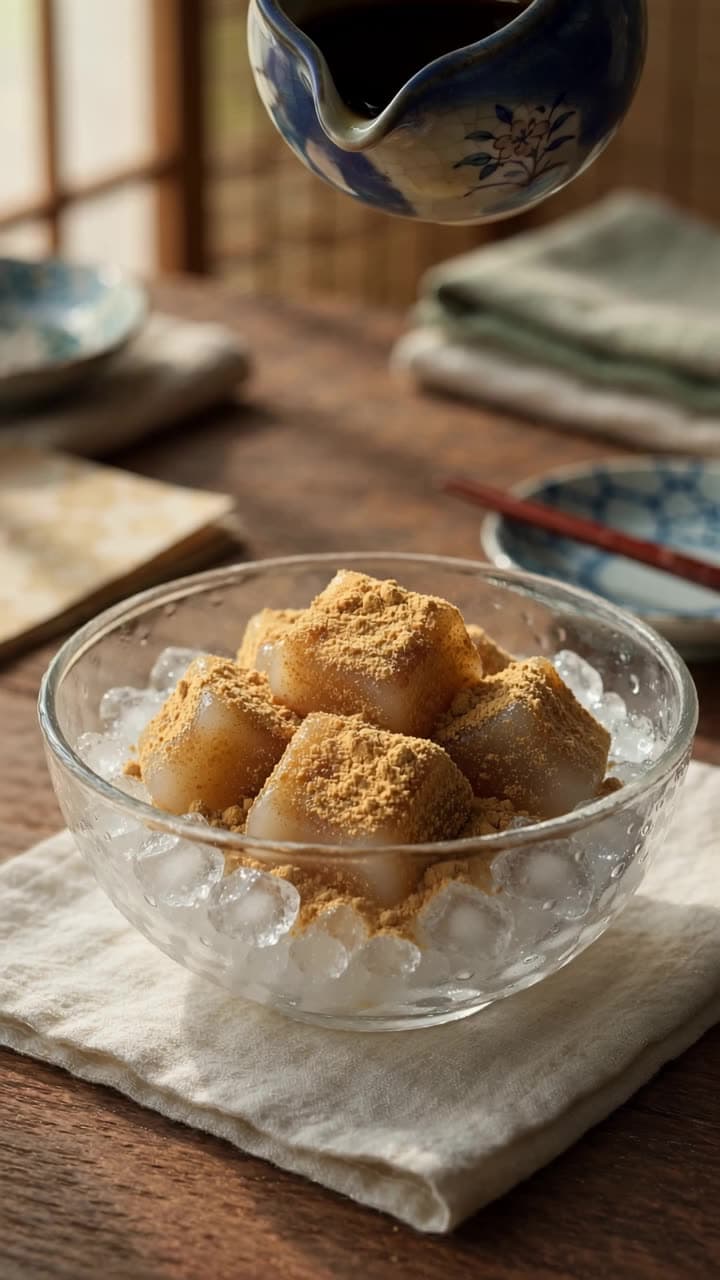
No. Warabi mochi is called "mochi" for its soft, chewy texture, but it contains no rice: it is made from bracken-root starch, often replaced today by sweet potato, tapioca or kuzu starch. Dictionaries still count it among mochi sweets, since the word can also mean a sweet with a mochi-like feel. Kuzu mochi is similar: it is set from starch, not made from rice.
Source (in Japanese): 農林水産省 にっぽん伝統食図鑑 / コトバンク 餅 / コトバンク 餅菓子 / 文部科学省 食品成分表 菓子類
Sakura mochi has a twist too. The Kansai style is made from domyoji rice, but the Kanto (Tokyo) style wraps the bean paste in a thin crepe of wheat flour cooked on a griddle, so the confectioners' association and the Ministry of Agriculture classify it as a griddle-baked sweet. We list it with the mochi because that is how most people know it.
Source (in Japanese): 文部科学省 食品成分表 菓子類 / 全国和菓子協会 和菓子の種類 / 農林水産省 にっぽん伝統食図鑑 菓子類
Mochi vs gyuhi vs dango
Pounded mochi hardens as it sits, because its starch ages. That is why daifuku and other everyday mochi sweets are "asanamagashi" sweets: made each morning and meant to be eaten the same day.
Source (in Japanese): 全国和菓子協会 和菓子の種類
Gyuhi is a soft dough of shiratama or mochi flour kneaded over heat with sugar and starch syrup. Unlike mochi it stays soft for a long time, which makes it easy to work with: it binds nerikiri and is the base of sweets such as uguisu mochi, kibi dango and habutae mochi. It was already used in Kyoto in the Muromachi period; it was first written 牛皮 (cow hide) for the brownish color brown sugar gave it, and the characters were later changed.
Source (in Japanese): コトバンク 求肥 / 文部科学省 食品成分表 菓子類
Dango are made the other way round: grain flour is kneaded with water, rolled into small balls and then steamed or boiled. Skewered dango are usually made from joshinko (non-glutinous rice flour). The name is often traced to the round shape, and when the same dough is flattened it is often called mochi instead.
Source (in Japanese): コトバンク 団子 / 文部科学省 食品成分表 菓子類
Other well-known mochi sweets
Kusa mochi (mugwort mochi) · Uguisu mochi · Ichigo daifuku (strawberry daifuku) · Mame daifuku · Chimaki · Abekawa mochi · Habutae mochi · Kuzu mochi