Kusa Mochi
草餅
Also called kusamochi, mugwort mochi, yomogi mochi
Green mochi made with the young leaves of yomogi (Japanese mugwort), fragrant with the herb and eaten with sweet bean paste or kinako. A spring sweet tied to Hinamatsuri, the Doll Festival on March 3.
Kusa Mochi at a glance
- Taste
- The fresh, herbal aroma of mugwort with sweet red bean paste or toasty kinako
- Texture
- Soft and chewy like other mochi, with fine flecks of leaf; it firms up as it sits
- Main ingredients
- Glutinous rice or joshinko (rice flour), boiled young mugwort leaves; red bean paste inside or on top, or kinako
- When to eat it
- Spring, from about March to April, especially around Hinamatsuri on March 3
- Goes well with
- Japanese green tea
- Where to buy
- Wagashi shops, mainly in spring
- How long it keeps
- Best the day it is made; like other mochi it hardens over time. It freezes well if you need to keep it
- Egg, wheat and vegan
- Usually made from rice and mugwort without egg, milk or wheat, and plant-based; fillings and toppings vary (kinako is soy), so check the label or ask the shop
- How to say it
- KOO-sah MOH-chee
Fun facts about Kusa Mochi
Kusa mochi could be too much of a good thing. In 1786, Arakida Hisaoyu, travelling around Shinano (today's Nagano), was served kusa mochi at all three homes he visited on July 3, and wrote in his diary that it was "a great nuisance". Toraya's archive suggests his hosts meant well, hoping the herb would ease the fatigue of a man who walked all day. Mugwort is picked in spring, so in July they probably used dried leaves.[5]
Kusa mochi already appears in Heian-period poetry: the collection of the poet Izumi Shikibu includes a poem sent with kusa mochi packed in a small box. At the time, that would have been mochi made with hahakogusa.[6]
How to enjoy Kusa Mochi
Two kinds to look for
Kusa mochi comes in two main forms. One is pounded mochi with mugwort, the kind also used for hishi mochi; the other is a rice-flour dough with mugwort that is wrapped around bean paste or made into small dango, eaten with bean paste or kinako. The kusa dango of Shibamata in Tokyo are the second kind.[1]
A sweet for Hinamatsuri
If you are in Japan in early spring, kusa mochi is a way to join in Hinamatsuri, the Doll Festival on March 3. Families in Tochigi Prefecture, for example, first offer it at the doll display and then eat it with kinako. Mugwort was long believed to drive away evil, which is why it became a festival sweet.[2],[6]
Eat it that day, or freeze it
Like daifuku, kusa mochi hardens as it sits, so it is best on the day it is made. Wagashi generally don't like the fridge, but mochi sweets freeze well: the Japan Wagashi Association suggests freezing them soon, thawing at room temperature for 2 to 3 hours and eating them quickly after thawing.[3]
About this wagashi
Kusa mochi means "grass mochi". Today the "grass" is yomogi, Japanese mugwort: its young leaves are boiled and worked into the mochi, which turns it green and gives it a fresh, herbal aroma, so it is also called yomogi mochi. Long ago it was made with a different spring herb, hahakogusa. It is a spring sweet, eaten around Hinamatsuri on March 3, and in haiku it is a seasonal word for spring. Some kusa mochi has sweet bean paste inside; other kinds are served with bean paste or kinako (roasted soybean flour) on the outside.
How it is made
Young mugwort leaves are boiled with a little baking soda to remove their bitterness, rinsed and finely ground. There are two main ways to make it: the leaves are pounded into steamed glutinous rice, which is also how the green layer of hishi mochi for Hinamatsuri is made; or they are kneaded into a steamed dough of joshinko (rice flour), which is then wrapped around bean paste or rolled into small dango and topped with bean paste or kinako.
Kusa Mochi: history and origins
Kusa mochi began as a spring charm against evil. A Chinese record of seasonal customs from the 6th century says that on the third day of the third month, the juice of a wild herb called hahakogusa was mixed with honey and flour, to ward off evil and illness. In Japan, a court chronicle records that in 850, on March 3, women gathered hahakogusa, steamed it and pounded it into mochi.[1]
Mugwort took over from hahakogusa around the Muromachi period (1336–1573). Both herbs were thought to be fragrant and to drive away evil, but, Toraya's archive notes, it was also said to be bad luck to pound "mother and child" together, as the name hahakogusa means "mother-and-child grass". A court noble, Sanjonishi Sanetaka, recorded receiving yomogi mochi on March 3, 1533. In time, the word kusa mochi came to mean mugwort mochi.[1],[6]
The March 3 custom lives on in Hinamatsuri, the Doll Festival, when families pray for their daughters to grow up healthy. March 3 was even called the "festival of kusa mochi", and the diamond-shaped hishi mochi set out with the dolls was built around a layer of mugwort mochi. In Tochigi Prefecture, Japan's agriculture ministry notes, kusa mochi is still offered at the doll display and then eaten with kinako, at events from mid-March to mid-April, when mugwort is sprouting.[1],[2]
Questions about Kusa Mochi
What is kusa mochi made of?
Rice and mugwort. The mochi is made from steamed glutinous rice or a steamed dough of joshinko (rice flour), and young yomogi (Japanese mugwort) leaves are boiled, ground and worked in, which makes it green. It is then wrapped around red bean paste, or served with bean paste or kinako (roasted soybean flour).[1],[2]
Is kusa mochi the same as yomogi mochi?
Today, yes: Japanese dictionaries give yomogi mochi (mugwort mochi) as another name for kusa mochi. Historically there was a difference. "Kusa" simply means grass, and early kusa mochi was made with hahakogusa, another spring herb. Mugwort replaced it from around the Muromachi period, and the word kusa mochi came to mean mugwort mochi.[1],[6]
What does kusa mochi taste like?
It tastes of fresh herbs. Mugwort has a fragrant, green aroma, and the leaves are boiled first to take out their bitterness, so what remains is a mild herbal note. The sweetness comes from the red bean paste inside or on top, or from a dusting of kinako, which adds a toasty, nutty flavor. The texture is soft and chewy, like other mochi.[2],[6]
When is kusa mochi eaten?
In spring. Mugwort is picked as it sprouts, and kusa mochi is tied to March 3, which was once even called the "festival of kusa mochi" and is today Hinamatsuri, the Doll Festival. In Tochigi Prefecture it is made for events from mid-March to mid-April. In haiku, kusa mochi is a seasonal word for spring.[1],[2]
Sources
Most of the sources are written in Japanese.
More wagashi
 AI-generated imagery
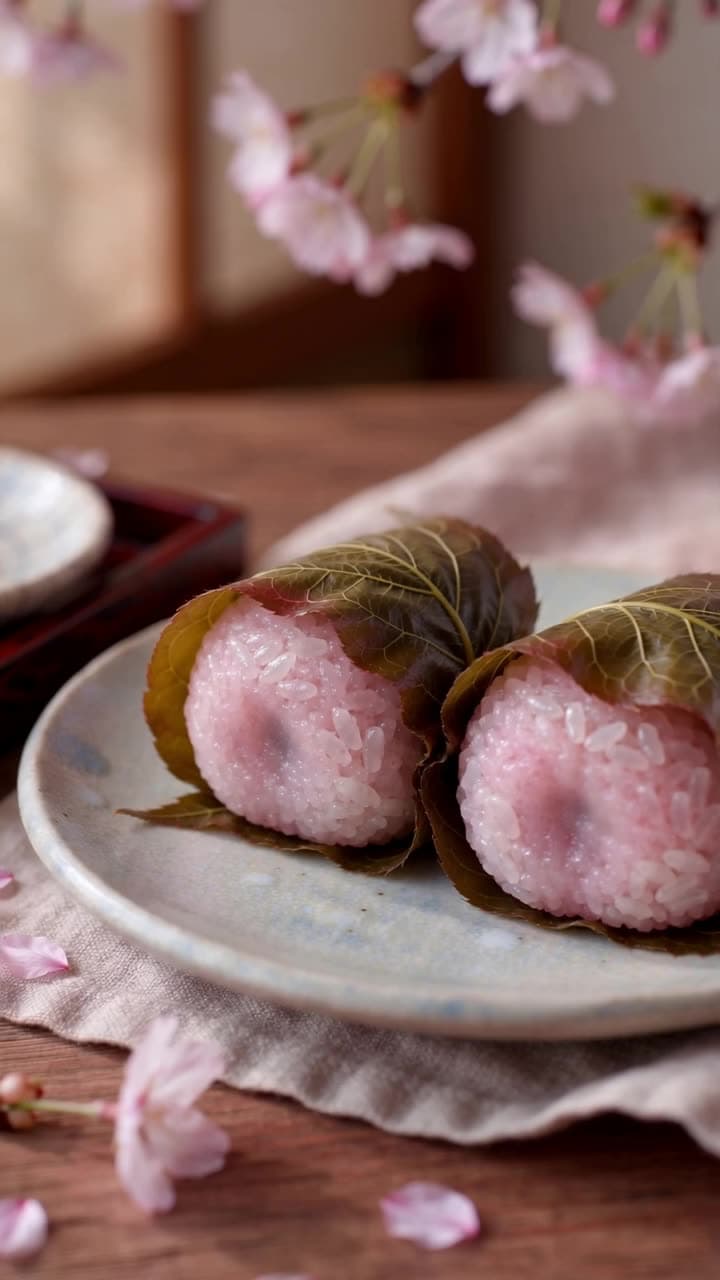
Sakura Mochi
The classic sweet of cherry-blossom season: mochi with sweet bean paste, wrapped in a salted cherry leaf.
 AI-generated imagery
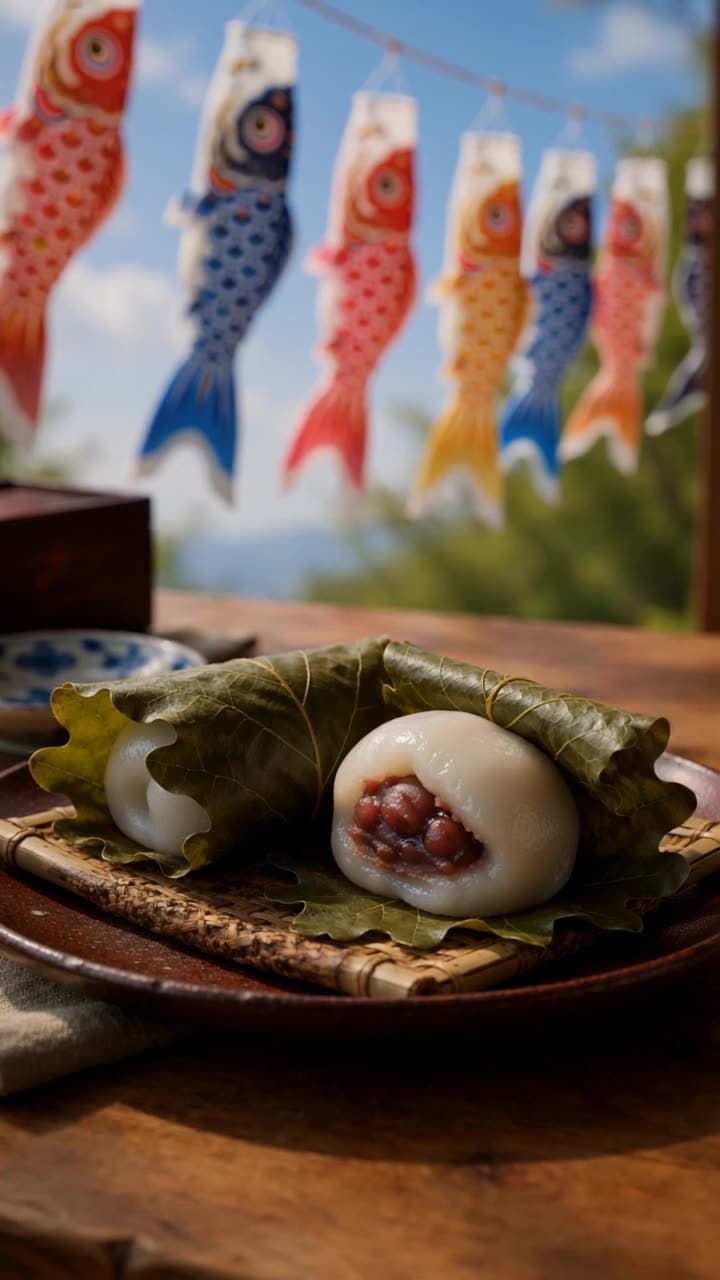
Kashiwa Mochi
Soft rice-flour mochi folded around sweet bean paste and wrapped in an oak leaf, made for Children's Day in May.
 AI-generated imagery
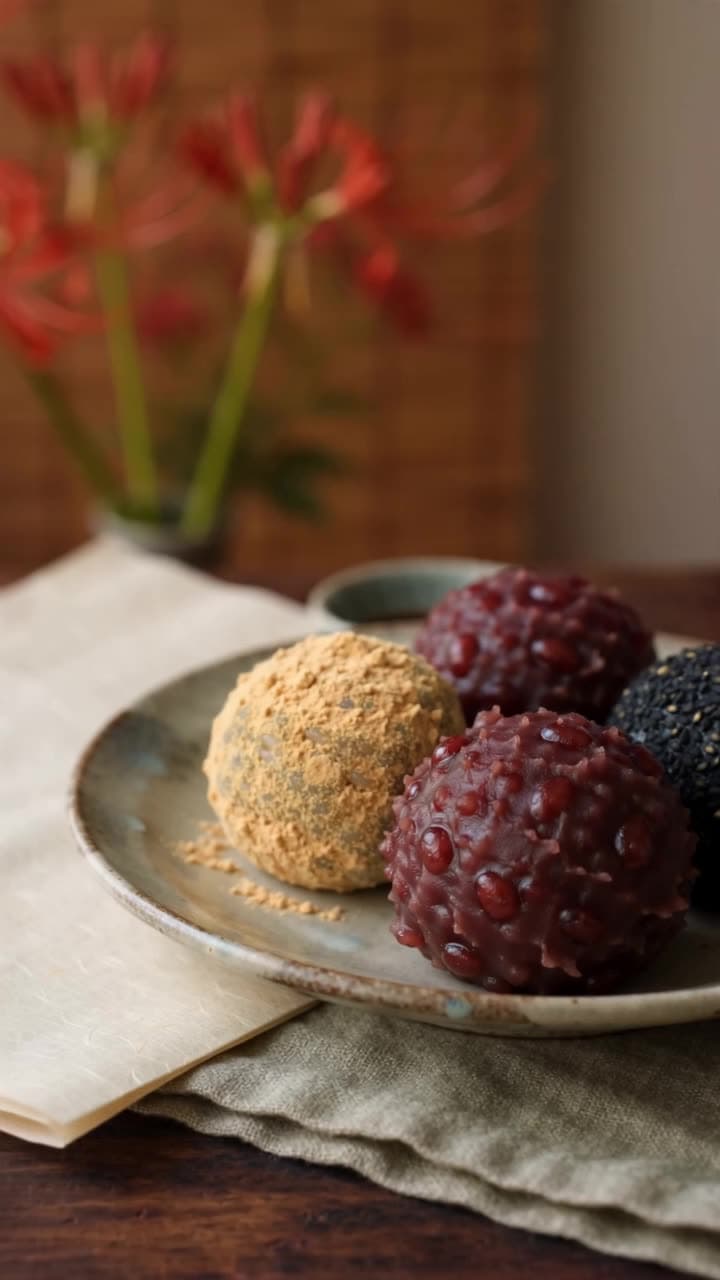
Ohagi
Lightly mashed sweet rice wrapped in bean paste, offered to ancestors during the spring and autumn equinox weeks.
 AI-generated imagery
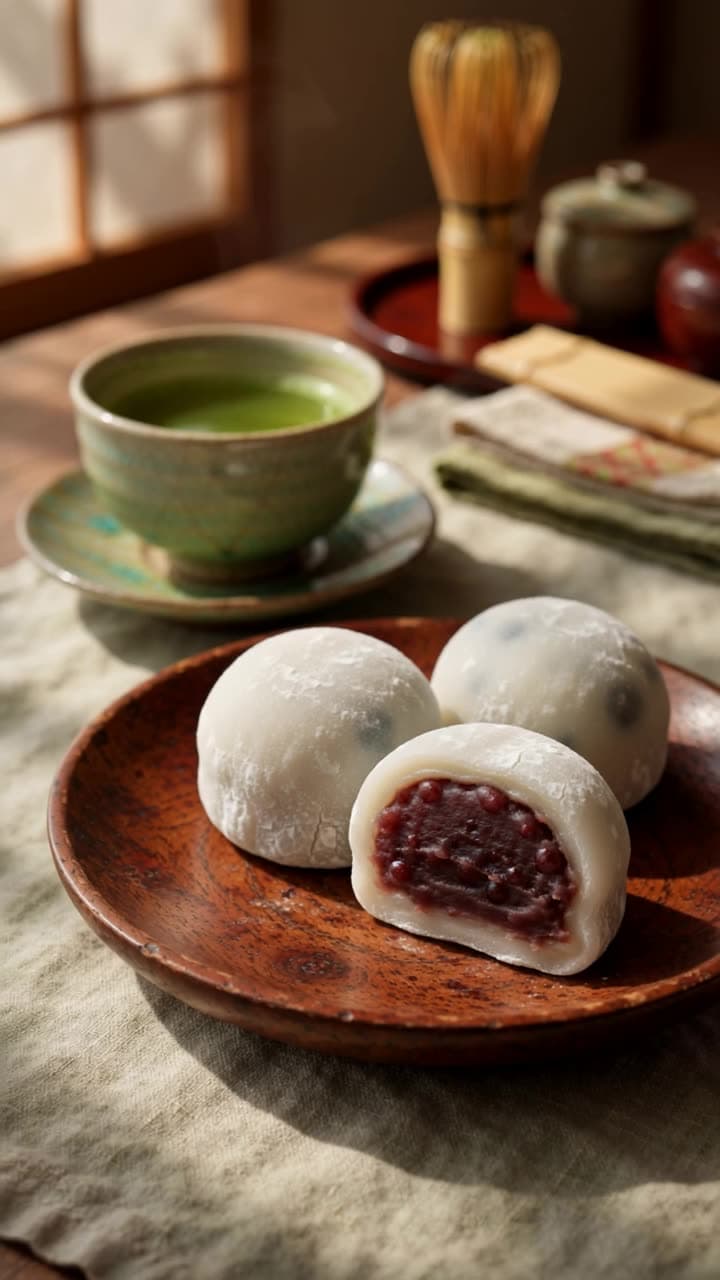
Daifuku
Soft, round mochi filled with sweet red bean paste. Its name means "great luck", and it is enjoyed all year.