Kuzumochi
くず餅
Also called kuzu mochi, kudzu mochi
One name, two different sweets. In Kansai, kuzumochi is a clear, smooth sweet made from the root starch of kudzu (kuzu); in Kanto, it is milky white and made from wheat starch fermented for over a year. Both are eaten with kinako and kuromitsu.
Kuzumochi at a glance
- Taste
- Mild on its own; the flavor comes from toasty kinako and deep kuromitsu (Kansai style is also eaten with matcha)
- Texture
- Kansai style: clear, smooth and cool. Kanto style: milky white, springy, with a clean bite
- Main ingredients
- Kansai: kuzu (kudzu root starch), sugar and water. Kanto: fermented wheat starch. Both topped with kinako and kuromitsu
- When to eat it
- Summer is its season, as a cool-looking sweet; in haiku it is a summer word
- Goes well with
- Japanese green tea
- Where to buy
- Wagashi shops; Kanto style is a specialty of temple towns such as Kameido Tenjin, Ikegami Honmonji and Kawasaki Daishi, and Kansai style is linked with Yoshino in Nara
- How long it keeps
- Eat it soon, at room temperature: the fridge makes it hard. Fresh Kanto-style kuzumochi keeps only about 2 days
- Egg, wheat and vegan
- Kanto style is made from wheat starch, and some Kansai recipes add wheat flour; kinako is soy. If you avoid wheat or gluten, check the label or ask the shop
- How to say it
- KOO-zoo MOH-chee
Fun facts about Kuzumochi
Kanto kuzumochi is often called the only fermented wagashi. Its makers ferment the wheat starch with lactic acid bacteria for more than a year, and according to a food maker's guide to the sweet, the kuromitsu and kinako served with it may have caught on to balance the sourness left by fermentation.[6],[3]
How to enjoy Kuzumochi
Know which one you're buying
Both kinds are sold as kuzumochi, so look at the sweet and the label. Kudzu-starch kuzumochi is clear; the fermented wheat-starch kind is milky white. On an ingredient list, 葛粉 means kudzu starch and 小麦でんぷん means wheat starch.[3],[1]
Cool the dish, not the sweet
Kuzu sweets turn hard in the fridge, so the Japan Wagashi Association recommends eating them at room temperature and getting the cool feeling from the dish instead: chill a glass plate in the fridge for 1 to 2 hours before serving. A long-established maker of the Kanto style likewise says to keep it at room temperature, and in summer to chill it for only 1 to 2 hours just before eating.[5],[4]
Syrup first, then kinako
Kuzumochi usually comes with kuromitsu (brown-sugar syrup) and kinako (roasted soybean flour). A long-established Kanto-style maker suggests putting the pieces on a plate and pouring on the kuromitsu first, then the kinako. Kansai-style kuzumochi is also enjoyed with matcha.[4],[1]
About this wagashi
Two different sweets share the name kuzumochi. The Kansai kind, usually written 葛餅, is made from kuzu, the starch of the root of the kudzu vine; Yoshino in Nara is the best-known source. It is clear and smooth, and its cool look makes it a summer favorite. The Kanto kind, often written くず餅 or 久寿餅, contains no kudzu: it is made from wheat starch fermented with lactic acid bacteria, which makes it milky white with a springy, clean bite, and it is a specialty of temple towns such as Kameido Tenjin and Ikegami Honmonji in Tokyo and Kawasaki Daishi in Kanagawa. Both are cut into pieces and eaten with kinako (roasted soybean flour) and kuromitsu (brown-sugar syrup), much like warabi mochi, which is made from a third starch, bracken fern root.
How it is made
Kansai style: kuzu starch, water and sugar are heated in a pot and stirred until the mixture turns sticky and translucent, then cooled. Yoshino kuzu itself is refined from kudzu-root starch by a traditional method called Yoshino-zarashi, which can take two to three months in all. Kanto style: wheat flour is kneaded with water and pressed so the starch washes out and the gluten stays behind. The starch is left to ferment naturally for one to two years (about 450 days at one long-established Kameido maker), washed again and again to soften its sourness, then heated, steamed in molds and cut.
Kuzumochi: history and origins
Kudzu has been useful in Japan for a very long time: its roots were a herbal medicine, its leaves fed livestock, its vines were woven into cloth and its flowers were taken for hangovers. Kudzu starch began to be used in cooking and sweets, rather than as a staple food, around the Muromachi period (1336–1573), and from the mid-Edo period, Japan's agriculture ministry notes, kuzu powder came to be eaten as kuzumochi. Yoshino in Nara remains the best-known source of kuzu.[1],[2]
Digging kudzu and bracken roots for starch was hard work, so genuine kuzu became rare and expensive, and wheat starch was developed to take its place. This is how Kanto got its own kuzumochi. Around Edo (today's Tokyo) it became a specialty of temple towns, such as those of Kameido Tenjin Shrine, Ikegami Honmonji Temple and Kawasaki Daishi.[2],[3]
Where fermented kuzumochi began is told differently. A long-established shop in Kameido calls itself the birthplace of fermented kuzumochi. At Kawasaki Daishi, the story goes that in the Tempo era (1830–1844) a man named Kyubei of Daishigawara village found that wheat flour soaked by rain and left in a barrel had settled into fermented starch by the next year; he steamed it and made a mochi-like sweet. The temple's head priest is said to have named it 久寿餅, joining the "ku" of Kyubei with "ju", a character for long life.[4],[8],[9]
Questions about Kuzumochi
Kuzumochi vs warabi mochi: what's the difference?
The starch. Warabi mochi is made from the root starch of the bracken fern, though many versions sold today use other starches, such as sweet potato starch. Kansai-style kuzumochi is made from kuzu, the root starch of the kudzu vine, and Kanto-style kuzumochi from fermented wheat starch. They are served the same way, with kinako and kuromitsu, and none of them is made from rice.[1],[10],[3]
Is kuzumochi made from kudzu?
It depends on where it comes from. Kansai-style kuzumochi is made from kuzu, the starch of the kudzu root. Kanto-style kuzumochi, the specialty of Kameido, Ikegami and Kawasaki Daishi, contains no kudzu at all: genuine kuzu became scarce and expensive, and wheat starch, fermented for over a year, was developed in its place. Some recipes also mix kuzu with other starches or flour.[2],[3]
Is kuzumochi gluten-free?
Not necessarily. Kanto-style kuzumochi is made from wheat starch: the gluten is washed out, and one long-established maker describes its kuzumochi as containing no gluten, but it is still made from wheat. Kansai-style kuzumochi is based on kudzu starch, yet some recipes add wheat flour or other flours. If you have celiac disease or a wheat allergy, check the label or ask the shop. Note that the kinako on top is made from soybeans.[6],[2]
How long does kuzumochi keep? Should I refrigerate it?
Eat it soon and keep it at room temperature. Fresh Kanto-style kuzumochi has a use-by date of only about 2 days, and a long-established maker warns that a long stay in the fridge makes it hard and dulls the flavor. Kudzu-starch sweets also harden in the fridge, so the Japan Wagashi Association recommends serving them at room temperature. Packaged products made to keep longer exist, so always go by the label.[4],[5],[3]
Sources
Most of the sources are written in Japanese.
More wagashi
 AI-generated imagery
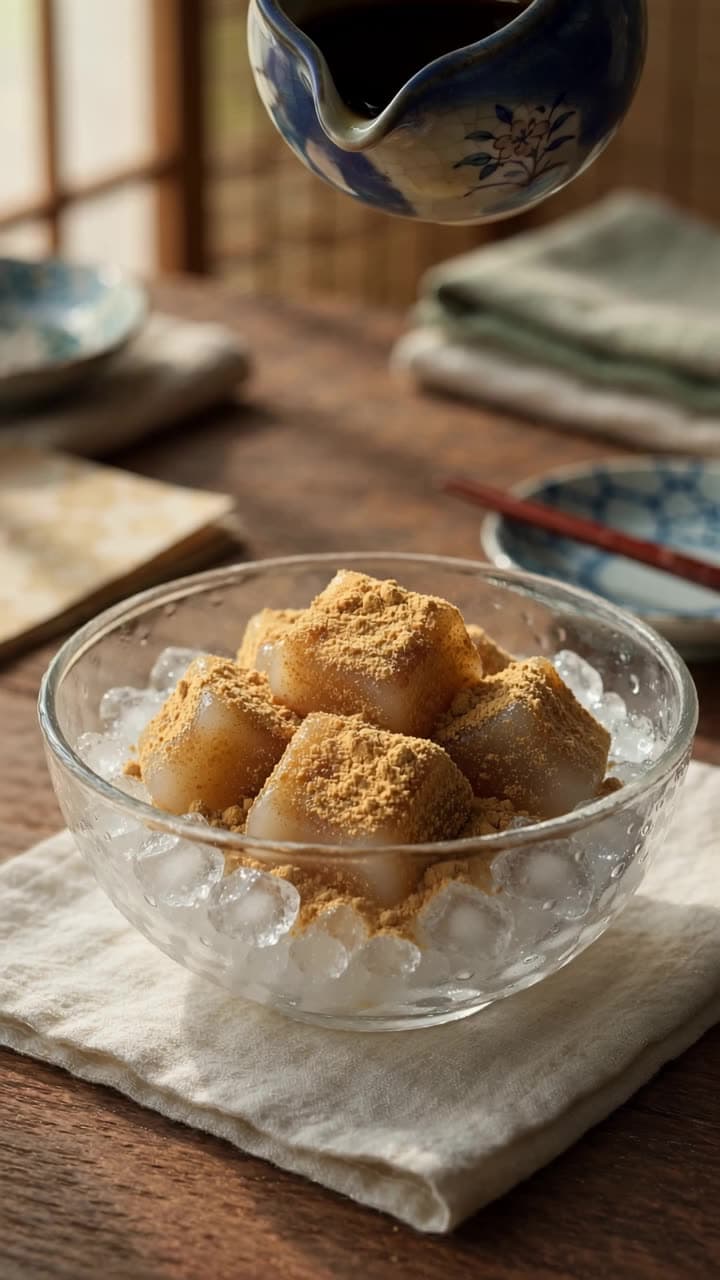
Warabi Mochi
A soft, wobbly sweet made from bracken-root starch, dusted with roasted soybean flour and topped with brown-sugar syrup.
 AI-generated imagery
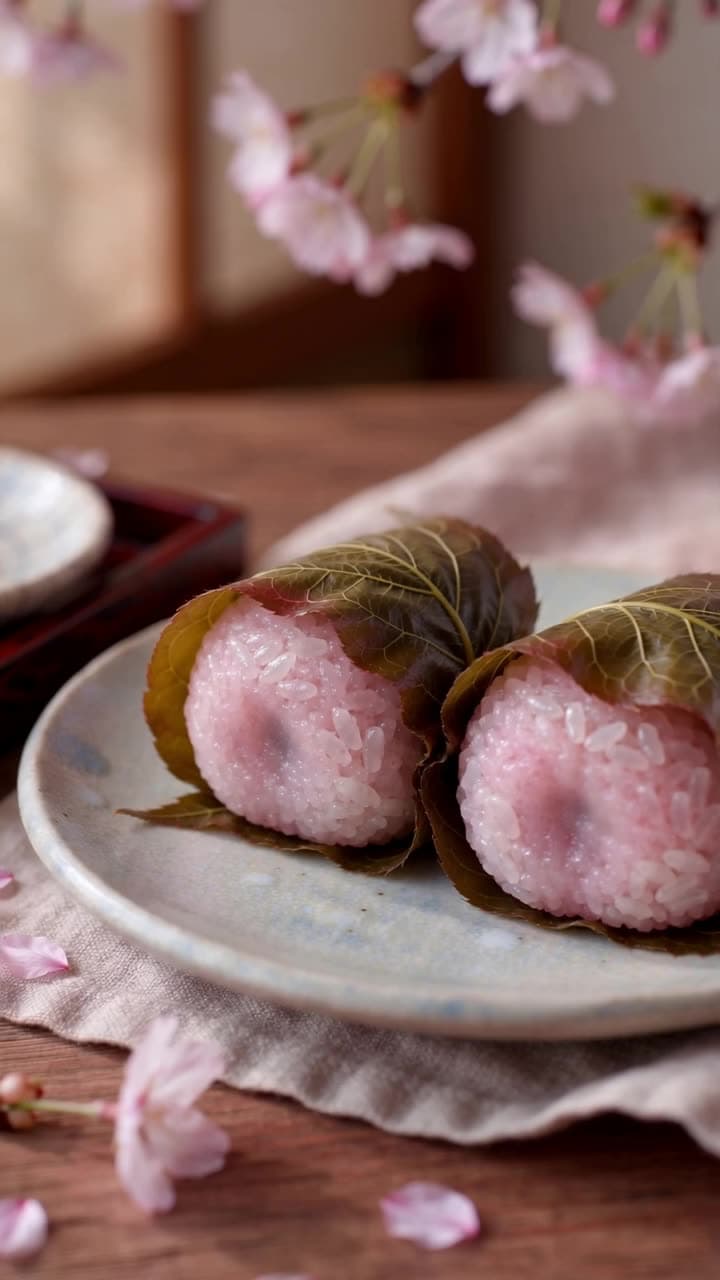
Sakura Mochi
The classic sweet of cherry-blossom season: mochi with sweet bean paste, wrapped in a salted cherry leaf.
 AI-generated imagery
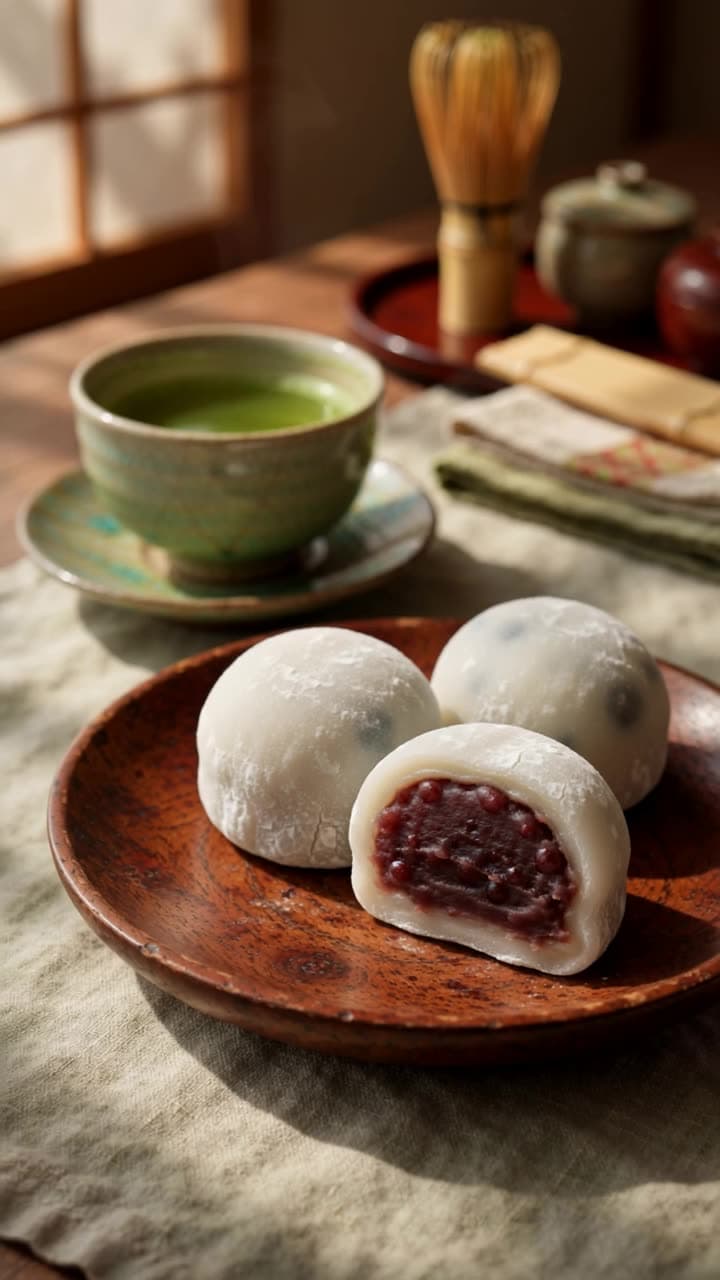
Daifuku
Soft, round mochi filled with sweet red bean paste. Its name means "great luck", and it is enjoyed all year.
 AI-generated imagery
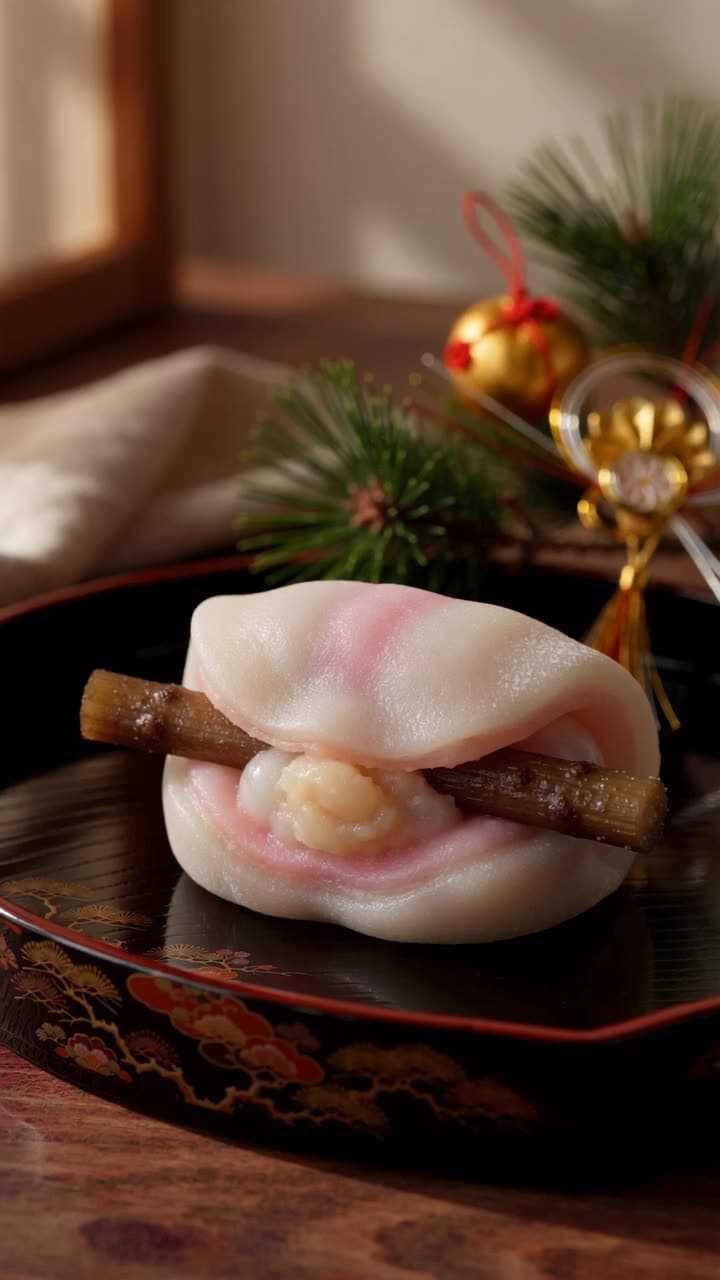
Hanabira Mochi
A New Year sweet of white mochi layered with a red diamond of mochi, folded over sweet miso bean paste and a stick of burdock.